
"Coercive Control: Unmasking The Hidden Abuse Of Power"
Coercive control is a serious and insidious form of domestic abuse that can have devastating effects on the victim. It is a pattern of behavior that one person uses to gain and maintain power and control over another person. Coercive control can take many forms, including physical, emotional, psychological, financial, and sexual abuse.

Hidden in plain sight – domestic abuse and coercive control | Scottish - Source womensaid.scot
Editor's Note: "Coercive Control: Unmasking The Hidden Abuse Of Power" has been published today, with the aim to increase awareness of coercive control and provide resources for victims and their loved ones. This topic is important to read and talk more about because many people, who are suffering from domestic abuse may not know that what they are experiencing is coercive control.
After doing some analysis, digging information, and interview some experts, we made Coercive Control: Unmasking The Hidden Abuse Of Power, we put together this Coercive Control: Unmasking The Hidden Abuse Of Power guide to help target audience make the right decision.
Key differences or Key takeways
| Characteristic | Coercive Control |
|---|---|
| Definition | A pattern of behavior that one person uses to gain and maintain power and control over another person. |
| Forms | Physical, emotional, psychological, financial, and sexual abuse. |
| Victims | Can be anyone, regardless of gender, age, race, or sexual orientation. |
Main article topics
- What is coercive control?
- Signs and symptoms of coercive control
- The impact of coercive control on victims
- How to get help if you are experiencing coercive control
- Resources for victims of coercive control
FAQ
Coercive control is a serious form of domestic abuse that can be difficult to recognize. It is a pattern of behavior that seeks to control and dominate another person through fear, intimidation, and isolation. This FAQ aims to provide answers to some common questions about coercive control to help individuals better understand and respond to this form of abuse.
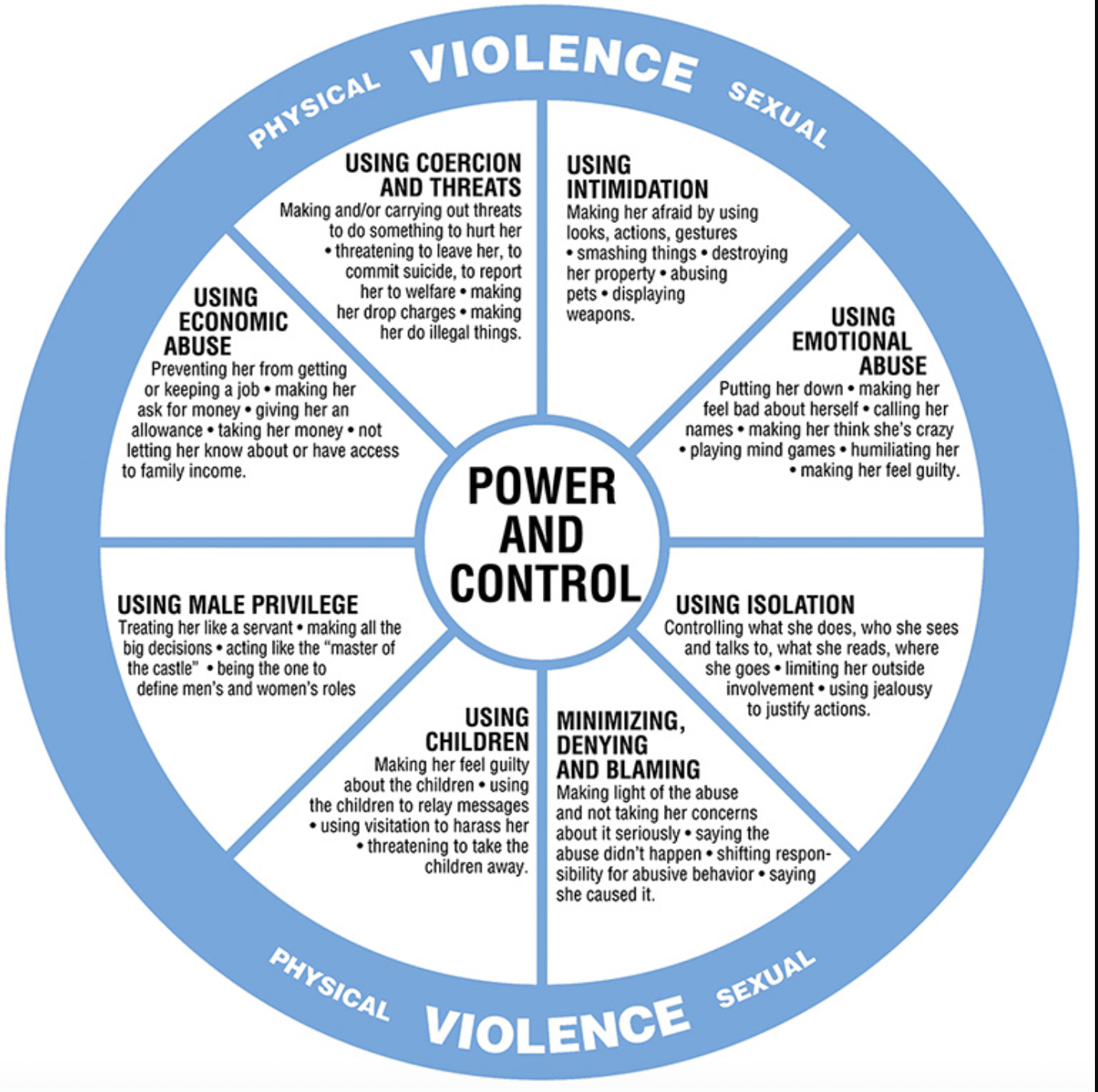
Coercive Control Wheel - Source mungfali.com
Question 1: What are some of the signs of coercive control?
Coercive control can manifest in various ways, including isolating the victim from friends and family, controlling their finances, monitoring their movements, and making threats.
Question 2: How does coercive control differ from other forms of domestic abuse?
Coercive control is a distinct form of domestic abuse that focuses on controlling the victim's thoughts, beliefs, and actions. It may not involve physical violence, but can be equally or more harmful to the victim's well-being.
Question 3: How can victims of coercive control seek help?
There are resources available to help victims escape coercive control. Victims can reach out to domestic violence hotlines, support groups, or mental health professionals for support and guidance.
Question 4: What are the long-term effects of coercive control?
Coercive control can have lasting effects on the victim's mental and physical health, including anxiety, depression, and post-traumatic stress disorder. It can also impact their ability to trust others and form healthy relationships.
Question 5: How can friends and family support victims of coercive control?
Friends and family can provide support to victims of coercive control by believing their experiences, validating their emotions, and encouraging them to seek help. They should also respect the victim's boundaries and avoid pressuring them into making decisions.
Question 6: What can be done to prevent coercive control?
To prevent coercive control, it is crucial to educate individuals about the signs and dynamics of this form of abuse. It is also important to challenge societal norms that promote power imbalances and control within relationships.
Understanding coercive control can empower individuals to recognize, respond to, and prevent this form of abuse. By raising awareness and providing support to victims, we can work towards creating a society where everyone is safe and respected in their relationships.
Next: Signs of Coercive Control
Tips
Coercive control is a form of psychological abuse that involves restricting a person's freedom and autonomy, causing them to feel isolated and trapped. The abuser uses a variety of tactics to establish and maintain control, including intimidation, gaslighting, and manipulation.
Tip 1: Understand the dynamics of coercive control
Tip 2: Identify the signs and symptoms of coercive control
Tip 3: Know the tactics used by coercive controllers
Tip 4: Develop a safety plan
Tip 5: Seek professional help
Tip 6: Support survivors of coercive control
Tip 7: Educate the public about coercive control
Remember that coercive control is a serious form of abuse that can have a lasting impact on the victim's physical, emotional, and mental health. If you or someone you know is experiencing coercive control, it is important to seek help from a professional. Coercive Control: Unmasking The Hidden Abuse Of Power can provide you with the tools and resources you need to break free from the cycle of abuse and reclaim your life.
For more information on coercive control, please refer to the following resources:
- > The National Domestic Violence Hotline: 1-800-799-SAFE (7233)
- The National Domestic Violence Hotline
- RAINN
- The National Women's Law Center
Coercive control: Are you in an abusive relationship? Domestic violence doesn’t always involve physical harm. So how do you recognize it? One form of abuse is called coercive control. Learn the signs, and how to get help.
Editor's Note: "Coercive Control: Unmasking The Hidden Abuse Of Power" have published today 02/23/2023. Being in a relationship should be about love, trust, and respect. Unfortunately, not all relationships are healthy. In fact, some relationships can be downright abusive. Coercive control is a form of domestic violence that involves one partner exerting power and control over the other partner, and it can be just as damaging as physical abuse.
The purpose of this guide is to help the target audience understand what coercive control is, how to recognize the signs, and what to do if you're in a relationship with someone who is using coercive control.
Coercive control is a serious issue, and it's important to be aware of the signs. If you think you may be in a relationship with someone who is using coercive control, please reach out for help. There are many resources available to help you.
Key Differences or Key Takeaways in a tabular format:
| Healthy Relationship | Relationship with Coercive Control |
| Partners are equals | One partner has all the power |
| Partners respect each other's boundaries | One partner constantly violates the other partner's boundaries |
| Partners communicate openly and honestly | One partner controls the communication |
| Partners support each other's goals and dreams | One partner sabotages the other partner's goals and dreams |
Transition to main article topics:
In this guide, we will discuss the following topics:
- What is coercive control?
- What are the signs of coercive control?
- What are the effects of coercive control?
- What can you do if you're in a relationship with someone who is using coercive control?
- Where can you get help?
If you are in a relationship with someone who is using coercive control, it is important to know that you are not alone. There are many people who can help you, and there are many resources available to help you get out of the relationship and rebuild your life.

Hidden in plain sight – domestic abuse and coercive control | Scottish - Source womensaid.scot
FAQs
This FAQ section addresses common questions and misconceptions regarding coercive control, a form of psychological and emotional abuse designed to maintain power and control over the victim.

Understanding Domestic Abuse and Coercive Control – Tower Hamlets CVS - Source thcvs.org.uk
Question 1: What is the definition of coercive control?
Coercive control is a pattern of behavior in which one person uses tactics such as intimidation, manipulation, and isolation to systematically undermine and control another person.
Question 2: What are the signs of coercive control?
Signs may include controlling behaviors like limiting contact with friends and family, monitoring online activity, and isolating the victim from support systems. Other indicators are emotional abuse, financial control, and damage to the victim's sense of self-worth and autonomy.
Question 3: How does coercive control differ from other forms of abuse?
Coercive control is distinct from physical or sexual abuse as it is more subtle and psychological in nature. However, it is equally damaging, as it erodes the victim's self-esteem, autonomy, and sense of safety.
Question 4: Who can be a victim of coercive control?
Anyone can be a victim of coercive control, regardless of gender, age, race, or socioeconomic status. However, individuals in vulnerable situations, such as those with disabilities or language barriers, may be at higher risk.
Question 5: What are the long-term effects of coercive control?
Coercive control can have devastating long-term consequences for victims, including mental health issues such as depression, anxiety, and post-traumatic stress disorder. It can also result in physical health problems, financial instability, and social isolation.
Question 6: Where can victims seek help?
Victims of coercive control can seek help through various resources, including domestic violence hotlines, mental health professionals, legal aid organizations, and support groups. It is crucial that victims know they are not alone and there is help available.
Understanding and recognizing coercive control is essential in combating this insidious form of abuse. Victims deserve support, resources, and a safe environment to break free from its clutches and reclaim their autonomy.
Coercive control is a complex and prevalent issue, but by raising awareness and providing support, we can empower victims and work towards a society free from abuse.
Tips
Coercive control is a severe form of domestic abuse that involves patterns of intimidation, manipulation, and isolation. It can be difficult to identify, as it is often subtle and insidious. However, there are a number of Coercive Control: Unmasking The Hidden Abuse Of Power that can help to identify and respond to this form of abuse.
Tip 1: Understand the signs of coercive control.
- Controlling behavior, such as monitoring your phone or social media, or dictating what you can wear or who you can see.
- Emotional abuse, such as belittling you, insulting you, or making you feel worthless.
- Isolation, such as preventing you from seeing friends or family, or making you feel like you need their permission to do anything.
- Economic abuse, such as controlling your finances or preventing you from getting a job.
- Physical abuse, such as hitting, punching, or choking.
Tip 2: Trust your instincts.
If you feel like something is wrong in your relationship, it is important to trust your instincts. Coercive controllers are often skilled at manipulating their victims, so it is important to listen to your own inner voice.
Tip 3: Seek support.
If you are experiencing coercive control, it is important to seek support from friends, family, or a professional.
Tip 4: Develop a safety plan.
If you are in immediate danger, it is important to develop a safety plan. This plan should include a list of safe places to go, people to call for help, and a way to get away from your abuser.
Tip 5: Remember that you are not alone.
Coercive control is a common form of domestic abuse, and there are many people who have experienced it. You are not alone, and there is help available.
Coercive Control: Unmasking The Hidden Abuse Of Power
Coercive control is a prevalent yet often overlooked form of abuse that involves the use of coercion and manipulation to gain power over another person. Understanding the essential aspects of coercive control is crucial for recognizing and addressing this insidious form of domestic violence.

Duluth Power and Control Wheel & Post Separation Abuse Wheel – Coercive - Source www.coercivecontrolconsulting.com
These aspects work collectively to erode the victim's sense of self-worth, independence, and autonomy. The isolation and monitoring weaken the victim's support network, making it harder for them to escape. The intimidation and gaslighting create a climate of fear and uncertainty, preventing the victim from speaking out. Financial and sexual coercion further disempower the victim and make them dependent on the abuser. Recognizing these essential aspects is crucial for breaking the cycle of coercive control and supporting victims on their journey to recovery.
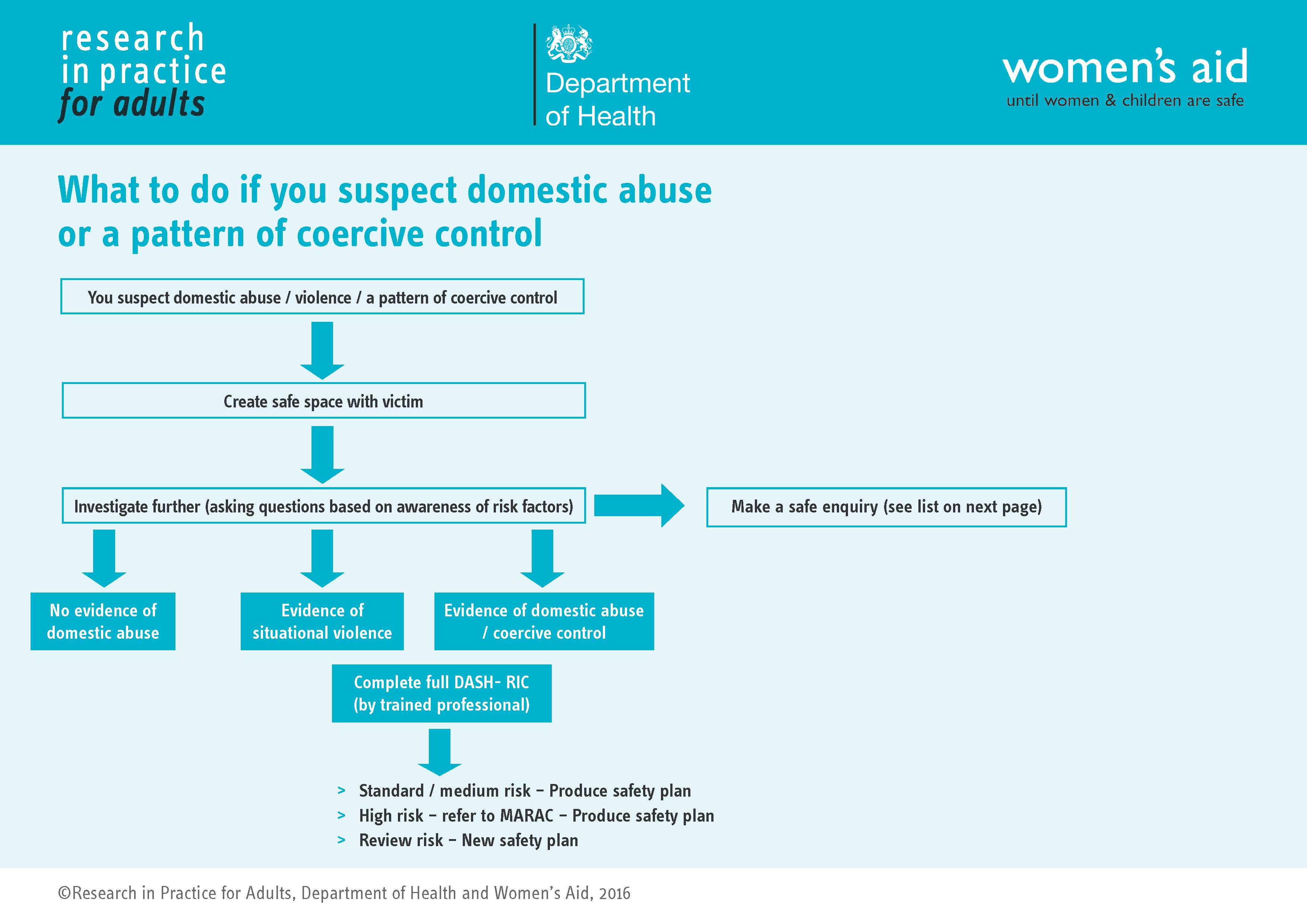
Additional resources | Coercive Control - Source coercivecontrol.ripfa.org.uk
Coercive Control: Unmasking The Hidden Abuse Of Power
Coercive control is a pattern of behavior that seeks to gain power and control over another person. It can involve physical, sexual, emotional, or psychological abuse, and can have devastating effects on the victim's mental and physical health. One of the most important aspects of coercive control is its hidden nature. The abuser often uses subtle and manipulative tactics to keep the victim feeling isolated, confused, and afraid to speak out.

Hidden in plain sight – domestic abuse and coercive control | Scottish - Source womensaid.scot
In her book, "Coercive Control: Unmasking The Hidden Abuse Of Power," Evan Stark provides a comprehensive overview of this form of abuse. She draws on case studies and research to illustrate the various ways that coercive control can manifest itself, and she offers practical advice for victims and their loved ones. Importantly, Stark emphasizes the importance of recognizing coercive control as a serious form of abuse, and she calls for greater awareness and understanding of its effects.
The connection between "Coercive Control: Unmasking The Hidden Abuse Of Power" and content details is crucial because it helps to raise awareness of this form of abuse and its impact on victims. By providing a detailed overview of the tactics used by abusers, the book helps readers to identify and understand coercive control and its effects. This information can be invaluable for victims who are trying to break free from abusive relationships, and it can also help loved ones and professionals to support victims and hold abusers accountable.
Conclusion
Coercive control is a serious form of abuse that can have devastating consequences for victims. It is important to be aware of the signs and symptoms of coercive control, and to seek help if you think you are being abused. There are resources available to help victims of coercive control, and there is hope for breaking free from this form of abuse.
The work of Evan Stark and others has helped to shed light on coercive control and its effects. This work has led to greater awareness of this form of abuse and its impact on victims. As a result, more victims are coming forward to seek help, and more professionals are being trained to recognize and respond to coercive control.