
| | |
|---|---|
| Key Features | Small size, yet immense ecological impact, forming the base of marine food webs. |
| Importance | Supports a vast array of marine life, including whales, seals, and seabirds. |
| Distribution | Found in cold, nutrient-rich waters of the Southern Ocean. |
| Role in Carbon Sequestration | Plays a critical role in absorbing and storing carbon dioxide from the atmosphere. |
| Conservation Status | Currently not considered threatened, but vulnerable to climate change and overfishing. |
FAQ
This comprehensive FAQ section provides insightful answers to common questions about Euphausia superba, the tiny crustacean that plays a vital role in marine ecosystems. Delve into the following queries to gain a deeper understanding of this remarkable species.
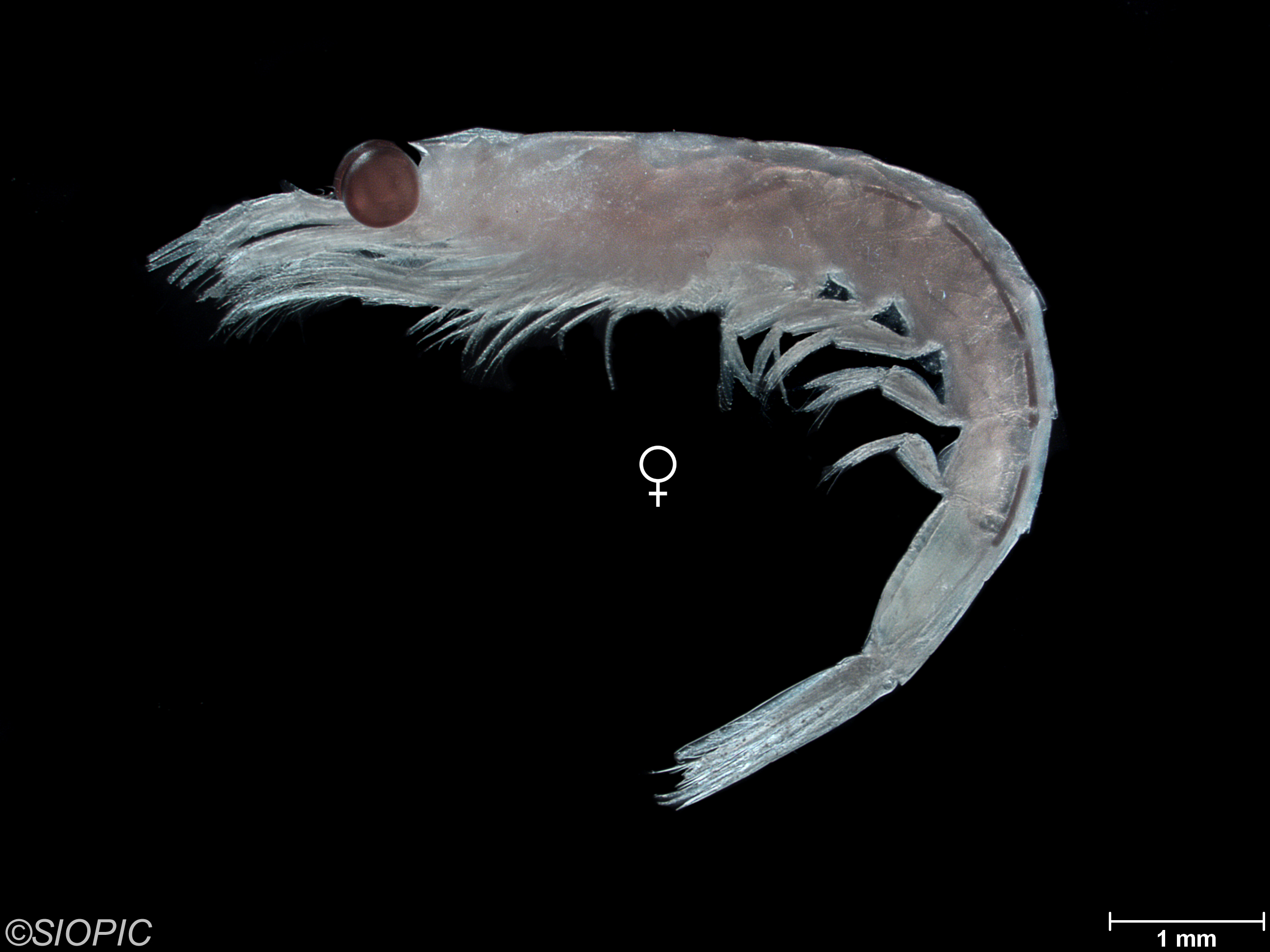
Euphausia pacifica | Zooplankton Guide - Source scripps.ucsd.edu
Question 1: What is the significance of Euphausia superba in marine food webs?
Answer: As a key species in the Southern Ocean, Euphausia superba serves as a primary food source for numerous marine predators, including whales, seals, penguins, and seabirds. Their abundance and energy-rich content support diverse trophic levels, shaping the entire ecosystem's structure and productivity.
Question 2: How do environmental factors influence the distribution and abundance of Euphausia superba?
Answer: Environmental factors such as sea ice cover, water temperature, and food availability significantly impact the distribution and abundance of Euphausia superba. Sea ice provides important habitat for reproduction and feeding, while water temperature affects their growth and metabolism. Fluctuations in these factors can lead to variations in population size and distribution.
Question 3: What are the potential threats to Euphausia superba populations?
Answer: Climate change poses a significant threat to Euphausia superba populations. Warming ocean temperatures, reduced sea ice cover, and ocean acidification can adversely affect their survival, reproduction, and distribution. Additionally, overfishing and pollution are potential threats that require ongoing monitoring and management.
Question 4: What research initiatives are underway to study Euphausia superba?
Answer: Ongoing research initiatives focus on understanding the population dynamics, ecology, and conservation of Euphausia superba. Scientists employ various methods, including field surveys, modeling, and genetic analysis, to monitor population trends, assess environmental impacts, and develop effective management strategies.
Question 5: How can we contribute to the conservation of Euphausia superba?
Answer: Supporting sustainable fishing practices, reducing plastic pollution, and advocating for climate change mitigation measures are crucial for the conservation of Euphausia superba. By minimizing human impacts on the Southern Ocean ecosystem, we can help safeguard the health and stability of this vital species and the entire marine food web it supports.
In summary, Euphausia superba plays a pivotal role in marine ecosystems, supporting a vast array of predators and shaping the overall health and productivity of the Southern Ocean. Ongoing research and conservation efforts are essential to ensure the sustainability of this species and the broader ecosystem it supports.
Transition to the next article section: continue reading to explore the broader implications of Euphausia superba's ecology and the importance of protecting this keystone species.
Tips
Understanding Euphausia superba's intricate role in marine ecosystems can empower researchers and conservationists alike. Here are some practical tips to enhance your knowledge and contribute to the preservation of this vital species:
Tip 1: Explore Scientific Literature
Engage with peer-reviewed research articles and scientific databases like PubMed and Web of Science to delve deeper into the biology, ecology, and conservation of Euphausia superba. Accessing credible information lays the foundation for informed decision-making.
Tip 2: Attend Conferences and Workshops
Attend scientific conferences and workshops dedicated to Euphausia superba or related topics. These events offer opportunities to interact with experts, learn about ongoing research, and stay informed about the latest advancements.
Tip 3: Collaborate with Researchers
Establish collaborations with researchers actively studying Euphausia superba. By sharing data, insights, and resources, you can contribute to a collective understanding of this species and its role in marine ecosystems.
Tip 4: Utilize Online Resources
Explore online repositories such as the Euphausia Superba: A Comprehensive Guide To The Tiny Crustacean Fuelling Marine Ecosystems and the Antarctic Marine Ecosystems Data Archive (AMEDEA) for valuable data, research reports, and educational materials.
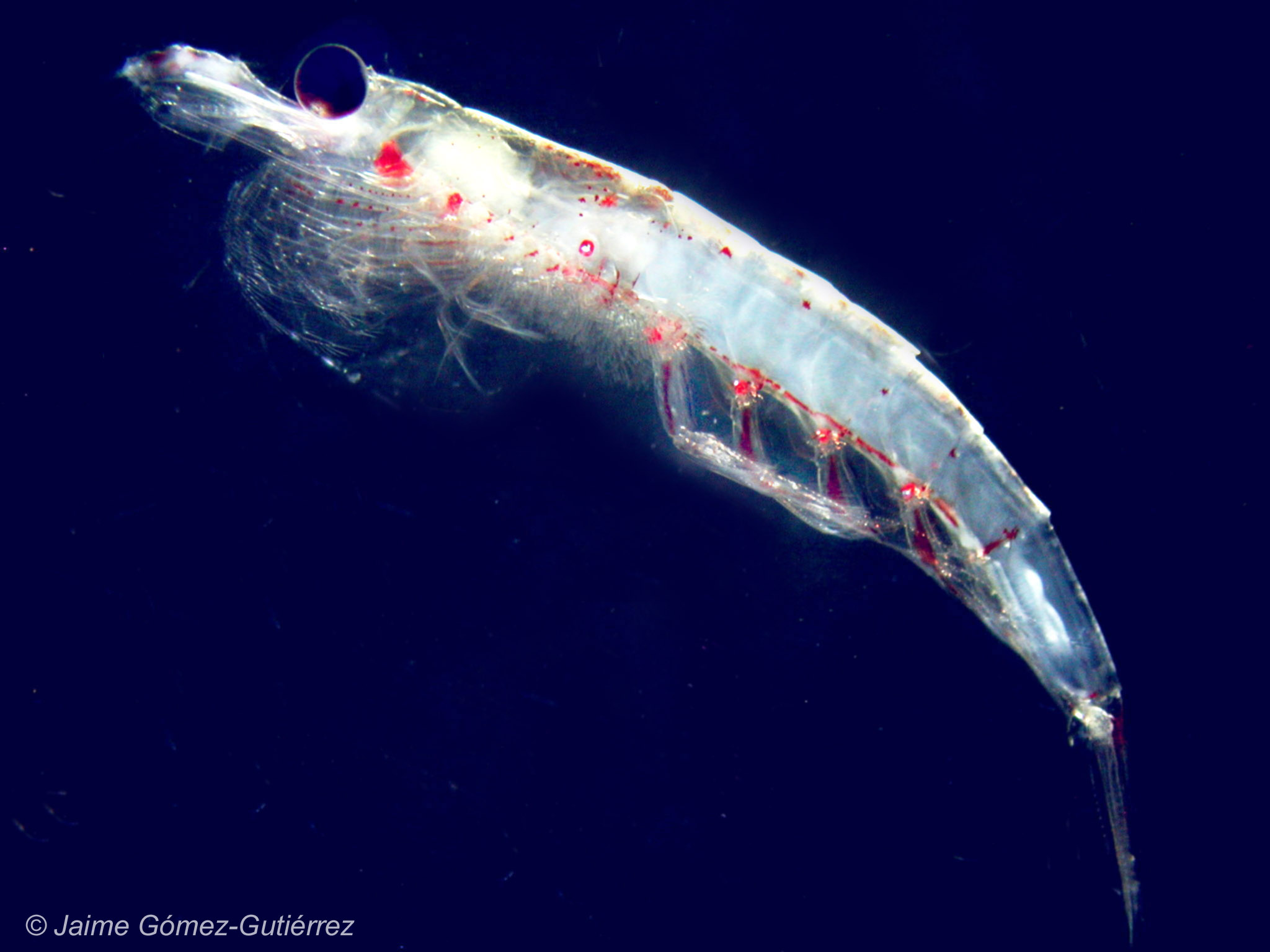
Euphausia pacifica | Zooplankton Guide - Source sio-legacy.ucsd.edu
Tip 5: Support Conservation Initiatives
Support organizations and initiatives dedicated to the conservation of Euphausia superba and its habitats. By advocating for responsible fishing practices, reducing pollution, and raising awareness, you can contribute to the preservation of this ecologically vital crustacean.
Embracing these tips will not only enhance your understanding of Euphausia superba but also empower you to take informed actions towards its conservation. Through collaboration, scientific inquiry, and dedication, we can ensure the continued health and resilience of this keystone species and the marine ecosystems it sustains.
Euphausia Superba: A Comprehensive Guide To The Tiny Crustacean Fuelling Marine Ecosystems
While the name "Euphausia Superba" might not be familiar to many, these tiny crustaceans play an essential role in marine ecosystems worldwide.
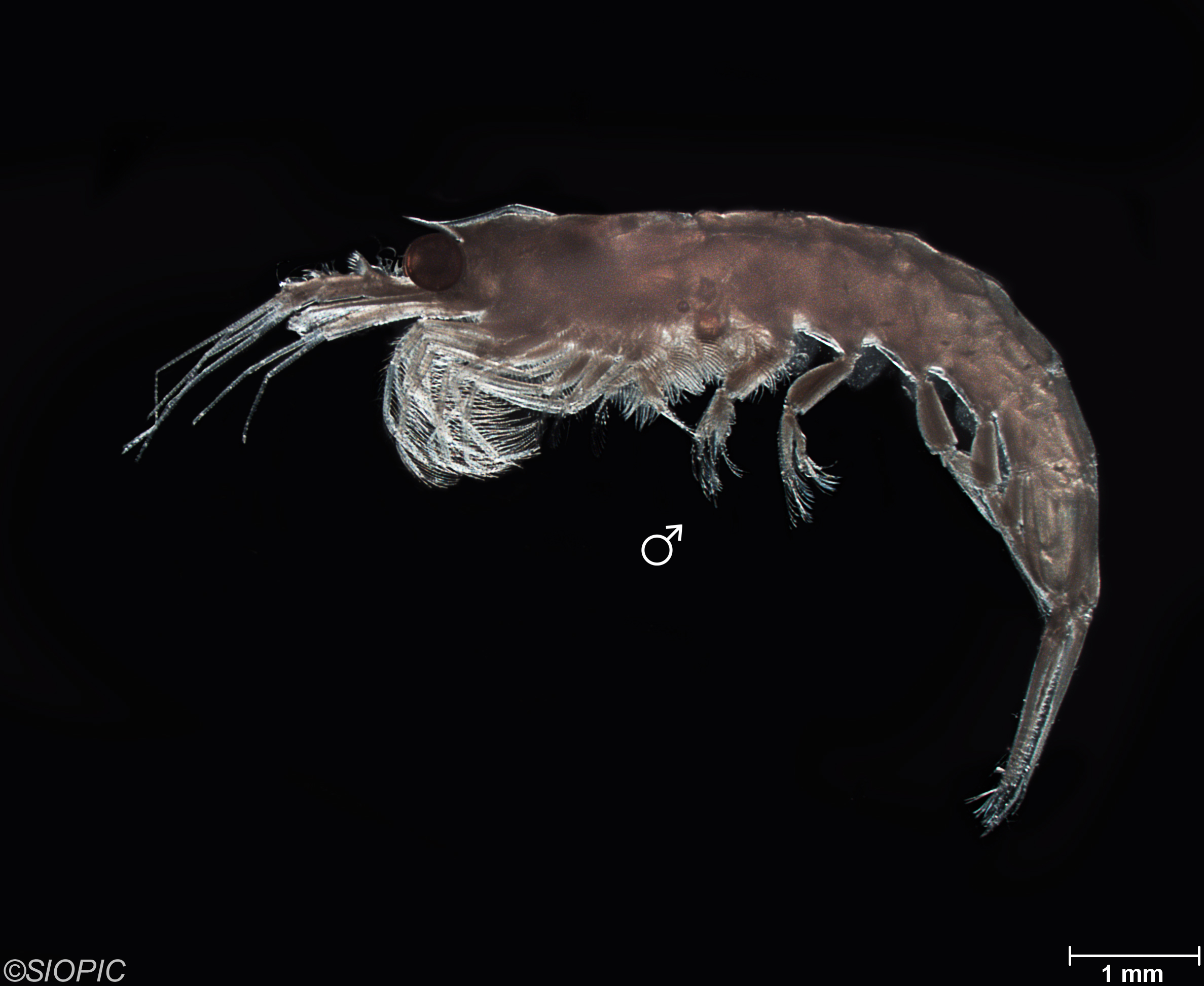
Euphausia eximia | Zooplankton Guide - Source sio-legacy.ucsd.edu
- Krill of the Southern Ocean
- Keystone Species
- Food for Many
- Indicator of Climate Change
- Abundant yet Fragile
- Conservation Concerns
Euphausia Superba, commonly known as krill, form the foundation of the Southern Ocean's food web. As keystone species, they support populations of predators such as whales, seals, and penguins. Their sensitivity to environmental changes makes them excellent indicators of climate change. While abundant, their populations face threats from overfishing and habitat loss, highlighting the need for conservation efforts to preserve their vital role in marine ecosystems.
Euphausia Superba: A Comprehensive Guide To The Tiny Crustacean Fuelling Marine Ecosystems
Euphausia superba, also known as krill, is a tiny crustacean that plays a crucial role in marine ecosystems. These organisms are found in vast numbers in the Southern Ocean, where they serve as a primary food source for a diverse range of marine predators, including whales, seals, penguins, and fish. Through their consumption by these higher trophic level organisms, krill contribute significantly to the overall health and productivity of marine ecosystems.
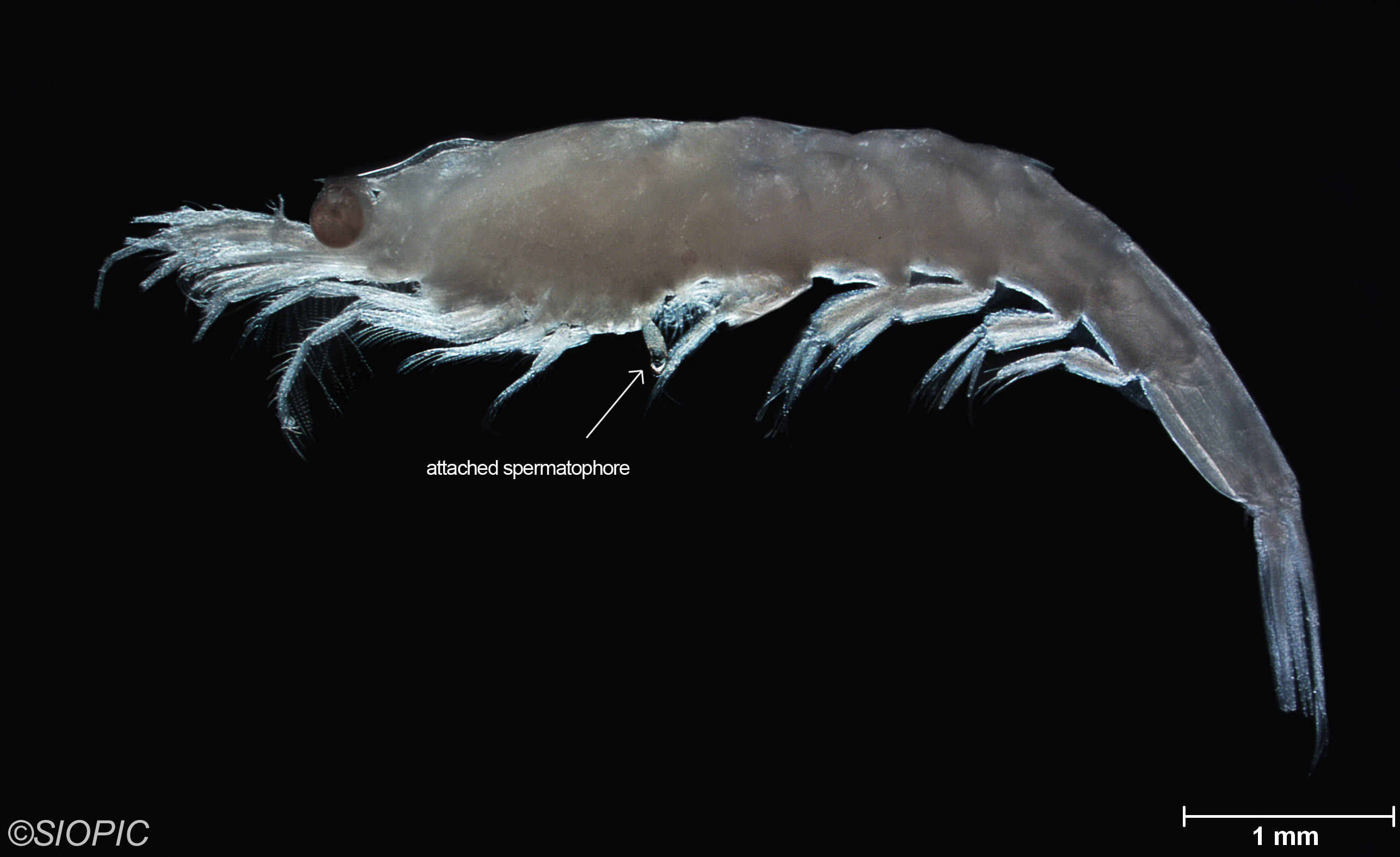
Euphausia recurva | Zooplankton Guide - Source sio-legacy.ucsd.edu
The abundance of krill in the Southern Ocean is attributed to several factors, including the presence of nutrient-rich waters, favorable environmental conditions, and the absence of significant predators. The availability of phytoplankton, which serve as their primary food source, is particularly important for the survival and reproduction of krill. These tiny crustaceans filter-feed on phytoplankton, consuming large quantities of these microscopic algae to meet their nutritional requirements.
The role of krill as a food source extends beyond their direct consumption by predators. In many marine ecosystems, krill form the base of a complex food web, supporting a vast array of species. By providing a consistent and abundant food supply, krill contribute to the overall stability and resilience of these ecosystems. Moreover, krill play a role in nutrient cycling within the marine environment, as their waste products can be utilized by other organisms.
Understanding the importance of krill in marine ecosystems is essential for effective conservation and management of these fragile environments. Human activities, such as overfishing and climate change, can have significant impacts on krill populations and the ecosystems they support. Conservation efforts aimed at protecting krill habitats and ensuring sustainable harvesting practices are crucial to preserving the health and productivity of marine ecosystems for future generations.
Conclusion
Euphausia superba, or krill, stands as a pivotal species within marine ecosystems, serving as a primary food source for a diverse array of predators and contributing to the stability and resilience of these ecosystems. The abundance and ecological significance of krill necessitate their protection and sustainable management to ensure the long-term health of our oceans and the species that depend on them.
Continued research and monitoring efforts are essential to deepen our understanding of krill populations and their role in marine ecosystems. By safeguarding the habitats of these tiny crustaceans and promoting sustainable harvesting practices, we can help preserve the delicate balance of marine ecosystems and ensure their continued vitality for generations to come.