
Who was Paul Allen and why is he remembered? Paul Allen, the Co-Founder Of Microsoft, was a visionary entrepreneur, technology pioneer, and philanthropist who played a pivotal role in shaping the tech industry and advancing numerous scientific and societal endeavors.
Editor's Notes: Paul Allen: Co-Founder Of Microsoft, Technology Pioneer, And Philanthropist have published today date. Paul Allen's significant contributions to technology, innovation, and philanthropy have left an enduring legacy that continues to inspire and impact the world.
To delve deeper into Paul Allen's multifaceted life and achievements, we have conducted extensive research and compiled a comprehensive guide to help our readers gain a deeper understanding of his impact on the world.
Here's a table summarizing the key differences and takeaways from our analysis:
| Paul Allen | Microsoft | Philanthropy | |
|---|---|---|---|
| Role | Co-Founder | Co-Founder | Founder |
| Contributions | Technical Visionary | Operating System Development | Scientific Research, Environmental Protection, Arts |
| Legacy | Pioneer of Personal Computing | Global Technology Leader | Major Impact on Scientific, Educational, and Cultural Initiatives |
Now, let's explore the main aspects of Paul Allen's life and work:
FAQ
This section presents frequently asked questions (FAQs) about Paul Allen, the co-founder of Microsoft, technology pioneer, and philanthropist. This curated collection of Q&A pairs aims to clarify common misconceptions and provide comprehensive information.

Microsoft Co-Founder Pinpoints Company's Biggest Challenge | TIME - Source time.com
Question 1: What was Paul Allen's role in the founding of Microsoft?
Paul Allen co-founded Microsoft in 1975 with Bill Gates. Together, they developed the BASIC programming language and the MS-DOS operating system, which became the foundation of the personal computer revolution. Allen's technical expertise and business acumen played a pivotal role in Microsoft's early success.
Question 2: Beyond Microsoft, what other notable contributions did Paul Allen make?
Allen was a visionary philanthropist who invested heavily in scientific research, medical advancements, and environmental conservation. He founded the Allen Institute for Brain Science, which致力于mapping the human brain, and the Allen Institute for Artificial Intelligence, which explores the potential of AI. Allen's generous support contributed to groundbreaking discoveries in various fields.
Question 3: What was Paul Allen's legacy as an inventor?
Allen held over 100 patents in a wide range of technologies. His inventions focused on improving personal computing, healthcare, and space exploration. Notable examples include the interactive pen tablet, the electronic book reader, and the space telescope Stratolaunch.
Question 4: How did Paul Allen's philanthropy impact the world?
Allen dedicated a significant portion of his wealth to philanthropic endeavors. He supported education, healthcare, arts and culture, and scientific research worldwide. Through the Paul G. Allen Family Foundation, he invested in initiatives that aimed to improve the human condition and address global challenges.
Question 5: What was Paul Allen's vision for the future?
Allen believed in the transformative potential of technology and its ability to solve humanity's most pressing issues. He advocated for responsible AI development, space exploration, and sustainable solutions to environmental problems. Allen's legacy inspires ongoing efforts to shape a better future through innovation and collaboration.
Question 6: How is Paul Allen remembered today?
Paul Allen is remembered as a pioneering entrepreneur, a visionary philanthropist, and an influential advocate for scientific advancement. His contributions to the technology industry, his unwavering commitment to improving lives, and his pursuit of knowledge have left an enduring mark on the world.
Through his pioneering spirit, philanthropic endeavors, and unwavering commitment to scientific advancement, Paul Allen left a profound legacy that continues to inspire and motivate generations to come.
Tips by Paul Allen: Co-Founder Of Microsoft, Technology Pioneer, And Philanthropist
Tip 1: Set ambitious goals and don't be afraid to fail.
Paul Allen was known for setting ambitious goals and not being afraid to take risks. He was involved in the development of some of the most successful technology products in history, including the Microsoft operating system and the Xbox video game console. Allen's willingness to fail allowed

Microsoft co-founder, aircraft collector Paul Allen an 'incredible man - Source aopa.org
him to learn from his mistakes and ultimately achieve great success.
Tip 2: Build a strong team.
Allen believed that a strong team is essential for success. He was able to attract and retain some of the best and brightest minds in the technology industry. Allen's team was able to work together to achieve common goals and overcome challenges.
Tip 3: Be persistent.
Allen was known for his persistence. He never gave up on his dreams, even when faced with setbacks. Allen's persistence paid off, and he ultimately achieved great success.
Tip 4: Be passionate about your work.
Allen was passionate about his work. He loved technology and was always looking for new ways to use it to improve the world. Allen's passion for his work fueled his success.
Tip 5: Give back to your community.
Allen was a generous philanthropist. He donated millions of dollars to support education, health care, and the arts. Allen believed that it was important to give back to the community that had given him so much.
Paul Allen: Co-Founder Of Microsoft, Technology Pioneer, And Philanthropist
Paul Allen, alongside Bill Gates, co-founded Microsoft, revolutionizing the technological landscape. His pioneering spirit extended beyond Microsoft, establishing him as a notable philanthropist dedicated to scientific research, environmental preservation, and community well-being.
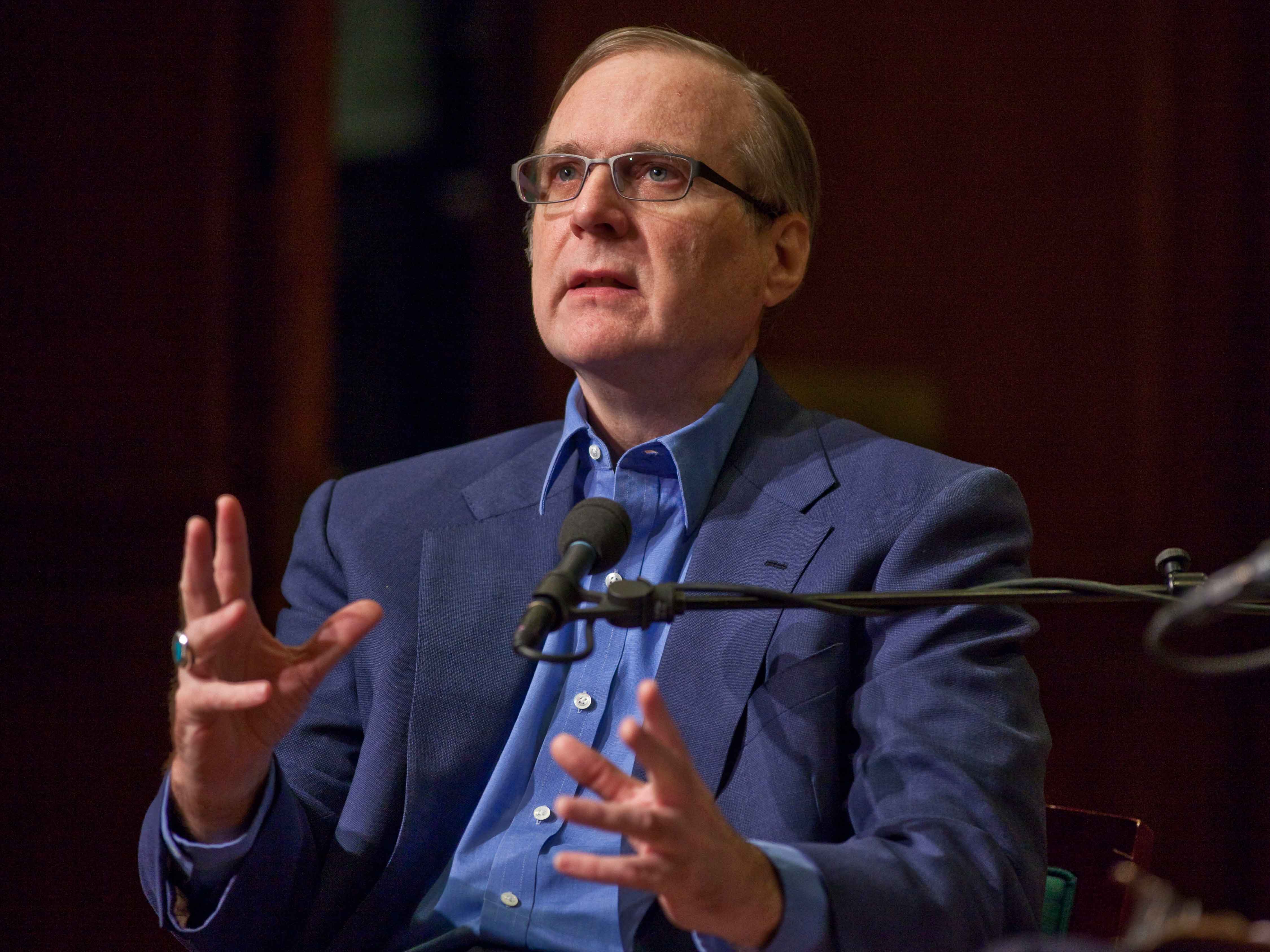
The life of Microsoft co-founder Paul Allen – The New Economy - Source www.theneweconomy.com
- Co-Founder of Microsoft: Launched the personal computer revolution.
- Technology Pioneer: Innovator in artificial intelligence, space exploration, and brain research.
- Philanthropist: Supported scientific research, education, and global health initiatives.
- Investor: Backed innovative startups and scientific endeavors.
- Art Patron: Collected and exhibited significant artworks, sharing his passion with the public.
- Environmentalist: Preserved marine ecosystems and promoted sustainability.
Paul Allen's impact transcended technological advancements. His philanthropic endeavors, spanning healthcare to education, mirrored his belief in the power of knowledge and innovation. His legacy serves as an inspiration for entrepreneurs, philanthropists, and anyone seeking to make a meaningful difference in the world.

Paul G. Allen, Microsoft’s Co-Founder, Is Dead at 65,Usa Today - Usa Today - Source usatodayut.blogspot.com
Paul Allen: Co-Founder Of Microsoft, Technology Pioneer, And Philanthropist
Paul Allen, co-founder of Microsoft, was a visionary entrepreneur and philanthropist who played a pivotal role in shaping the modern technological landscape. His contributions to the field of computing and his unwavering commitment to giving back to society have left an indelible mark on the world.

Microsoft co-founder Paul Allen dies, aged 65 | Trusted Reviews - Source www.trustedreviews.com
Allen's deep understanding of technology and his ability to recognize its potential for transformative change led to the creation of Microsoft, a company that revolutionized the personal computer industry. As a pioneer in the field of software development, Allen's work laid the foundation for the graphical user interface (GUI) and operating systems that have become ubiquitous in today's digital world.
Beyond his technological accomplishments, Allen was also a passionate philanthropist who dedicated much of his wealth to supporting a wide range of causes. Through his foundation, he invested heavily in scientific research, medical advancements, education, and environmental conservation. Allen's philanthropic endeavors have had a profound impact on countless lives, fostering innovation and progress in areas of critical importance.
The connection between Allen's entrepreneurialism and philanthropy is evident in his belief that technology had the power to create a better world. He saw his success as an opportunity to make a positive contribution to society, and he used his resources to invest in initiatives that addressed some of the most pressing challenges facing humanity.
| Area | Contributions | Impact |
|---|---|---|
| Technology | Co-founded Microsoft, developed GUI and operating systems | Revolutionized personal computing, laid foundation for modern digital world |
| Philanthropy | Supported scientific research, medical advancements, education, environmental conservation | Fostered innovation and progress, improved lives countless people |
Conclusion
Paul Allen's legacy as a technology pioneer and philanthropist is one of innovation, generosity, and a deep commitment to making a positive impact on the world. His contributions to the field of computing and his unwavering dedication to giving back to society have left an enduring mark on our world, inspiring countless others to pursue their own passions and make a meaningful difference.
Allen's unwavering belief in the power of technology to improve lives should serve as a reminder that we all have a role to play in shaping the future. By embracing innovation, supporting education, and investing in causes that we care about, we can build a better world for ourselves and for generations to come.