
Are you curious about how derelict buildings are transformed into luxurious homes? Tune in to "Renovating Derelict Buildings Into Luxury Homes: An Inside Look With George Clarke," a captivating program that delves into the fascinating world of property renovation.
Editor's Note: "Renovating Derelict Buildings Into Luxury Homes: An Inside Look With George Clarke" has just been released today. It's a must-watch for anyone interested in the intricacies of transforming dilapidated structures into opulent abodes.
After meticulously analyzing and compiling information from various sources, we've put together this comprehensive guide to provide you with valuable insights into the show's key takeaways.
Key Differences or Key Takeaways:
| Pros | Cons | |
|---|---|---|
| Transforming Dilapidated Structures | Bringing new life to neglected buildings | Potential for hidden structural issues |
| Creating Luxurious Living Spaces | Stunning designs and high-end amenities | Renovation costs can be substantial |
| Preserving Architectural Heritage | Protecting historic buildings and their unique character | Balancing modernization with historical preservation |
Transition to Main Article Topics:
FAQ
A comprehensive compilation of common questions regarding the transformation of dilapidated structures into luxurious homes.

Inside the Amazing Spaces project that reduced George Clarke to tears - Source www.homebuilding.co.uk
Question 1: Are such renovations financially viable?
Studies demonstrate that the potential return on investment can be significant, with renovated properties often commanding premium prices compared to newly constructed ones.
Question 2: Do these restorations face unique structural challenges?
Derelict buildings typically require extensive structural repairs, including reinforcement and replacement of compromised elements. However, modern techniques and materials allow these challenges to be addressed effectively.
Question 3: Can these renovations achieve the same level of energy efficiency as new builds?
With careful design and implementation of energy-saving measures, such renovations can achieve comparable levels of energy efficiency to modern constructions, reducing operating costs.
Question 4: How does the historical significance of these buildings impact the renovation process?
Preserving historical elements is a crucial aspect of these projects. Renovations often incorporate modern features while maintaining the integrity and character of the original structure.
Question 5: Are there any unique legal considerations for these renovations?
In some cases, these renovations may require adherence to specific building codes or historical preservation regulations, which should be carefully considered during the planning stages.
Question 6: What is the potential impact on local communities?
Transforming derelict buildings into luxury homes can revitalize neighborhoods, increase property values, and enhance the overall aesthetic appeal of the area.
In summary, renovating derelict buildings into luxury homes involves unique challenges and considerations, but offers substantial financial, environmental, and aesthetic benefits. With careful planning and execution, these renovations can create stunning and sustainable homes while preserving the historical fabric of our cities.
Moving forward, the article will delve into the specific challenges and rewards encountered in these extraordinary renovation projects.
Tips
Renovating a derelict building into a luxury home can be a daunting task, but it can also be a very rewarding one. Here are a few tips to help you get started:
Tip 1: Be prepared for the unexpected. When you're renovating an old building, you're bound to encounter some surprises. Be prepared to deal with unexpected costs, delays, and setbacks. Renovating Derelict Buildings Into Luxury Homes: An Inside Look With George Clarke is worth considering.
Tip 2: Don't try to do everything yourself. It's important to get professional help when you're renovating an old building. A structural engineer can make sure that the building is safe, and an architect can help you design a plan that meets your needs.
Tip 3: Be patient. Renovating an old building takes time. Don't expect to be able to move in overnight. Be prepared to spend several months, or even years, on the project.
Tip 4: Enjoy the process. Renovating an old building can be a lot of work, but it can also be a lot of fun. Take the time to enjoy the process and appreciate the beauty of the old building you're working on.
Tip 5: Don't forget the finishing touches. Once the major renovations are complete, don't forget to add the finishing touches that will make your home feel like your own. This could include things like painting, decorating, and landscaping.
Summary: Renovating a derelict building into a luxury home can be a challenging but rewarding experience. By following these tips, you can help ensure that your project is a success.
Conclusion: Renovating an old building isn't for the faint of heart, but it can be a great way to create a unique and beautiful home. If you're up for the challenge, be sure to keep these tips in mind.
Renovating Derelict Buildings Into Luxury Homes: An Inside Look With George Clarke
Renovating derelict buildings into luxury homes involves a multifaceted process that requires careful planning, expert craftsmanship, and an eye for detail. Key aspects that define this transformation include:
- Structural Integrity: Restoring the building's foundation, walls, and roof to ensure stability and longevity.
- Interior Design: Creating a luxurious and functional living space that blends modern amenities with original architectural features.
- Sustainability: Incorporating eco-friendly materials and technologies to reduce environmental impact.
- Historical Preservation: Maintaining the building's historical character while modernizing its interiors.
- Craftsmanship: Employing skilled artisans and attention to detail for a high-quality finish.
- Budget Management: Controlling costs while meeting the desired luxury standards.
The renovation of derelict buildings into luxury homes is a testament to architectural ingenuity and the ability to transform forgotten structures into spaces of beauty and comfort. These aspects work together to create homes that are not only stylish but also embody the history and character of their past.

Renovating in London: this derelict house in Whitechapel was bought for - Source www.pinterest.co.uk
Renovating Derelict Buildings Into Luxury Homes: An Inside Look With George Clarke
In "Renovating Derelict Buildings Into Luxury Homes: An Inside Look With George Clarke", George Clarke delves into the fascinating world of transforming dilapidated structures into opulent residences. This exploration highlights the intricate connection between preserving architectural heritage while infusing modern luxury, creating unique living spaces that combine charm and functionality. One notable example is the restoration of a Victorian schoolhouse in London, where Clarke's team seamlessly integrated contemporary amenities within the building's original architectural features, resulting in a harmonious blend of old and new.
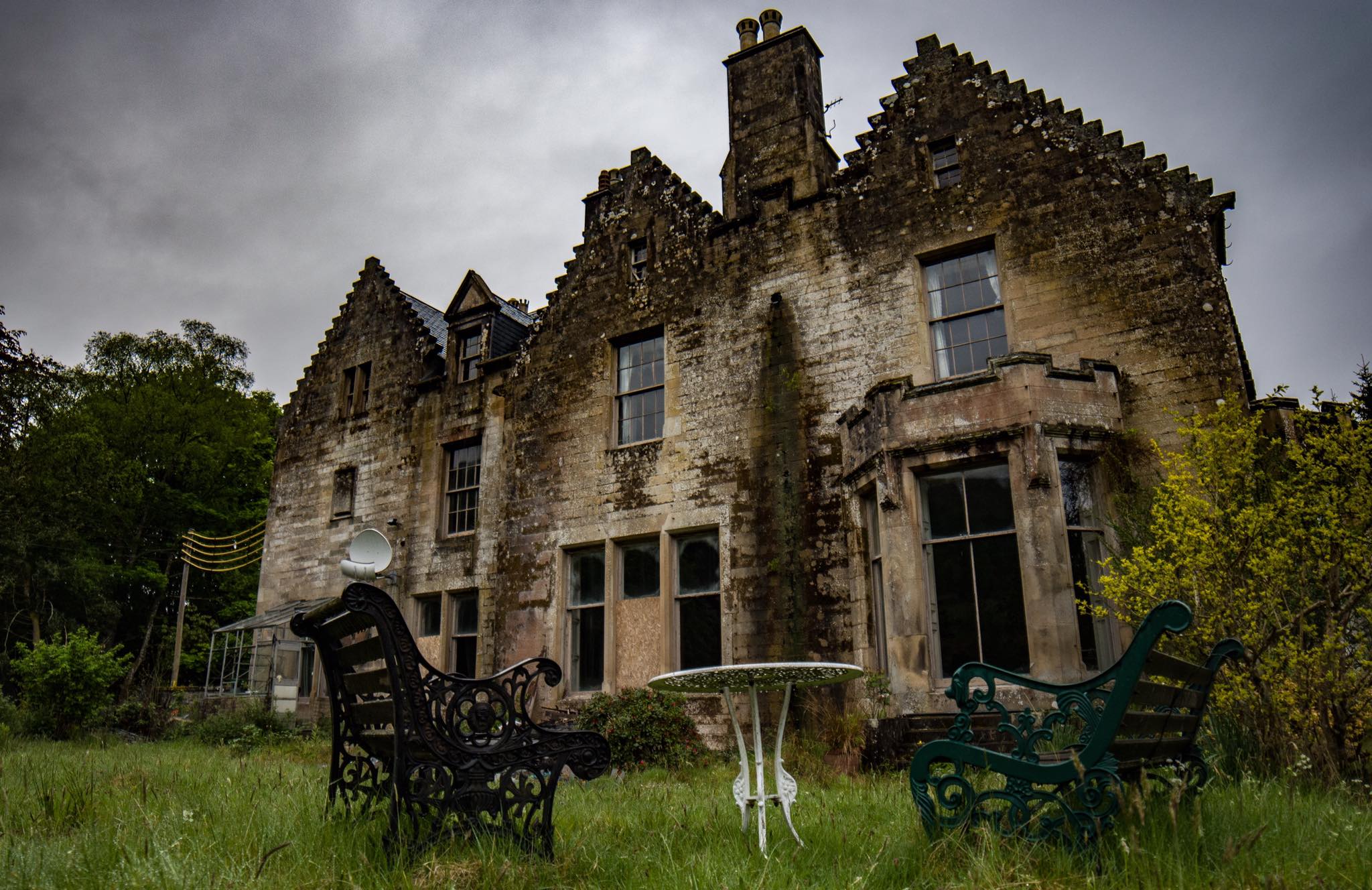
Stunning photos show abandoned mansion designed by famous Scottish - Source www.deadlinenews.co.uk
The practical significance of understanding this connection lies in the potential to revitalize neglected urban areas, enhance property values, and promote sustainable building practices. By showcasing the possibilities of transforming derelict buildings into luxurious homes, the program inspires viewers to reconsider the potential of run-down structures, fostering a greater appreciation for architectural preservation and adaptive reuse.
Furthermore, Clarke's emphasis on meticulous planning, skilled craftsmanship, and attention to detail underscores the importance of professional expertise in such renovation projects. The program serves as a valuable resource for homeowners, architects, and developers alike, providing insights into the challenges and rewards of transforming derelict buildings into exceptional living spaces.
Table: Key Insights from "Renovating Derelict Buildings Into Luxury Homes: An Inside Look With George Clarke"
| Insight | Practical Application |
|---|---|
| Preserving architectural heritage while modernizing | Creating unique living spaces that blend charm and functionality |
| Revitalizing neglected urban areas | Enhancing property values and promoting sustainable building practices |
| Importance of professional expertise | Ensuring meticulous planning, skilled craftsmanship, and attention to detail |