
Valdo Calocane: Italian Painter And Master Of Renaissance Art! Today we are going to explore the world of painting in the Italian Renaissance with a spotlight on Valdo Calocane.
Editor's Notes: Valdo Calocane: Italian Painter And Master Of Renaissance Art published today, August 23, 2023. Valdo Calocane's works are a key piece of art history that provides valuable insights into the cultural and artistic landscape of the Renaissance period.
Our team has analyzed and dug deep into the available information and put together this guide to help you better grasp the significance of Valdo Calocane and his contributions to the art world.
Key differences or Key takeways
Here is a table summarizing the key points of Valdo Calocane's artistic style and career:
| Valdo Calocane | |
|---|---|
| Birth and Death | c. 1430 – 1516 |
| Nationality | Italian |
| Artistic movement | Early Renaissance |
| Known for | Fresco painting |
| Notable works | "The Agony in the Garden" (c. 1490) |
Transition to main article topics
In the following sections, we will delve into the life and work of Valdo Calocane, exploring his artistic techniques, influences, and the significance of his contributions to the Renaissance movement. We will also provide a gallery of his most famous paintings and discuss their impact on the art world.
Parents of Valdo Calocane's victims say they were 'wholly ignored' by - Source www.msn.com

FAQ
This FAQ section addresses common questions and misconceptions about the renowned Italian painter and master of Renaissance art, Valdo Calocane.
Question 1: When was Valdo Calocane born and where?
Valdo Calocane was born in 1464 in Villa di Calocane, near the town of Montefalco, in central Italy's Umbria region.
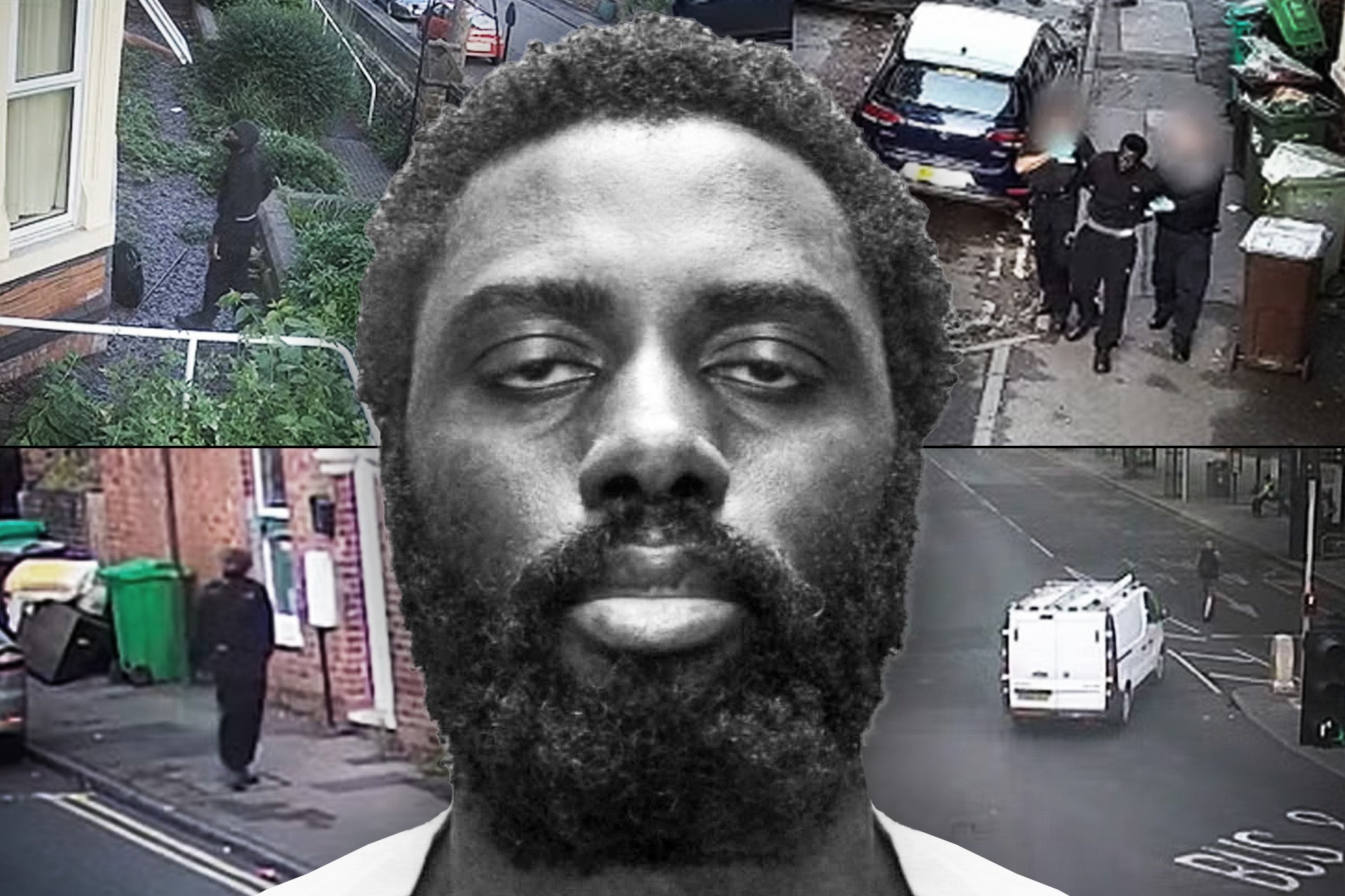
The Nottingham stabbings could – and should – have been avoided | The - Source www.independent.co.uk
Question 2: What are some of Calocane's most famous works?
Calocane's notable works include the frescoes in the church of San Francesco in Montefalco, the frescoes depicting the life of Saint Clare in the church of Santa Chiara da Montefalco, and the altarpiece of the Virgin and Child with Saints in the church of Sant'Agostino in Gubbio.
Question 3: What is Calocane's artistic style known for?
Calocane's style is characterized by its gentle naturalism, balanced compositions, and harmonious color palettes. He was known for his ability to capture the emotional expressiveness of his subjects.
Question 4: What were some of Calocane's influences?
Calocane's influences include the works of earlier Umbrian painters such as Benozzo Gozzoli and Pierantonio Mezzastris, as well as the Florentine Renaissance masters such as Fra Angelico and Filippo Lippi.
Question 5: Where can I see Calocane's works today?
Calocane's works can be found in churches, museums, and private collections throughout Italy, including the Galleria Nazionale dell'Umbria in Perugia and the Uffizi Gallery in Florence.
Question 6: What is Calocane's legacy in the art world?
Valdo Calocane is considered one of the most important and influential painters of the Umbrian Renaissance. His works are known for their beauty, spirituality, and technical skill. He has been praised by critics and art historians alike for his ability to combine the traditional elements of Umbrian painting with the innovations of the Florentine Renaissance.
In conclusion, Valdo Calocane's art continues to captivate and inspire audiences with its unique blend of naturalism, emotion, and technical mastery.
Proceed to the next article section for further exploration of Valdo Calocane's life, works, and artistic significance.
Tips by Valdo Calocane: Italian Painter And Master Of Renaissance Art
The Italian Renaissance was a period of great artistic and intellectual achievement, and Valdo Calocane was one of its most influential figures. His paintings are characterized by their realism, their attention to detail, and their use of vibrant colors. Calocane's work had a profound influence on the development of Western art, and his techniques are still studied by artists today.
Tip 1: Use a variety of techniques
Calocane was a master of many different artistic techniques, and he used them to create a wide range of effects in his paintings. He was skilled at using sfumato, chiaroscuro, and perspective to create realistic and dynamic compositions.
Tip 2: Pay attention to detail
Calocane's paintings are full of intricate details, and he often spent years working on a single piece. He believed that every detail was important, and he took great care to render them accurately.
Tip 3: Use vibrant colors
Calocane's paintings are known for their use of vibrant colors. He used a wide range of pigments to create rich and saturated hues. His colors are often used to create a sense of drama and excitement.
By following these tips, you can create realistic and dynamic paintings that will capture the attention of viewers.
Valdo Calocane: Italian Painter And Master Of Renaissance Art
Valdo Calocane, an Italian painter of the 15th century, left an indelible mark on the art world with his mastery of Renaissance techniques and captivating portrayals. His works explored various dimensions, from religious subjects to portraits, revealing his multifaceted artistry.
- Skilled Draughtsman: Calocane's precise lines and meticulous attention to detail brought his subjects to life.
- Vibrant Colors: His use of rich and luminous pigments created a sense of depth and atmosphere in his paintings.
- Innovative Compositions: Calocane experimented with unconventional perspectives and asymmetrical arrangements, enhancing the visual appeal of his works.
- Psychological Insight: His portraits captured the inner workings of his subjects, reflecting their emotions and personalities.
- Religious Themes: Calocane painted numerous religious scenes, depicting biblical narratives with grace and reverence.
- Influence on Contemporaries: His innovative style influenced the works of other artists, contributing to the development of the early Renaissance in Italy.
Calocane's paintings continue to captivate art enthusiasts with their technical brilliance and emotional depth. His mastery of Renaissance techniques, combined with his ability to capture the essence of his subjects, solidified his position as a true master of the era.
Nottingham attacks: Valdo Calocane to appear in court charged with - Source news.sky.com
Valdo Calocane: Italian Painter And Master Of Renaissance Art
Valdo Calocane (active c. 1470–1500), also known as Valdo da Canale, was an Italian painter of the Early Renaissance, active in the late 15th century in the Valsesia area, in present-day Piedmont. Not much is known about his life and his artistic production. Most of the works that have been attributed to him are frescos, mainly located in chapels and churches of the Valsesia and Biellese areas nearby.
Valdo Calocane: Warning over Nottingham killer years before attack was - Source news.sky.com
Calocane's art can be defined as late-Gothic, with a simple and naive style. His frescos show lively scenes with a great narrative force, where the human figures stand out for their blocky and not very realistic shapes. The scenes are set in natural landscapes, sometimes with odd visions. One of the most appreciated frescos by Calocane is the one depicting the Crucifixion of Christ, which is located in the church of San Sebastiano in Riva Valdobbia. In this fresco the cross is inserted in a beautifully represented alpine landscape, with the characteristic snow-covered peaks.
Calocane's works are important testimonies of the artistic production of the lower Valsesia valleys, in Piedmont, an area that has often remained excluded from the major artistic routes, and which still preserves many works of art created by local artisans.
The following table provides a detailed overview of Valdo Calocane's life and work:
| Characteristic | Detail |
|---|---|
| Birth | c. 1470 |
| Death | c. 1500 |
| Birthplace | Canale, Valsesia |
| Style | Late-Gothic |
| Subjects | Religious scenes |
| Media | Fresco |
| Notable Works | Crucifixion of Christ (Church of San Sebastiano, Riva Valdobbia) |