
Delve into the Annals of Blackburn: Exploring a Historic Lancashire Town
Editor's Notes: "Blackburn: Exploring The Historic Lancashire Town" has been published today to shed light on the rich heritage and compelling attractions of this captivating town. Our team has meticulously analyzed and compiled this guide to empower readers with a comprehensive understanding of Blackburn's historical significance and captivating landmarks.
Through extensive research and a deep dive into Blackburn's past and present, we have meticulously crafted this guide to assist our target audience in navigating the town's captivating tapestry of history, culture, and attractions. By providing crucial information and insights, we aim to empower readers to make informed decisions and experience the very best that Blackburn has to offer.
| Key Differences or Key Takeaways |
|---|
| Unique blend of Victorian architecture and modern amenities |
| Rich textile heritage with museums and historic mills |
| Vibrant arts and cultural scene with theaters, galleries, and festivals |
| Beautiful parks and green spaces for recreation and relaxation |
| Excellent transport links for easy access |
Transition to main article topics:
FAQ
This FAQ section provides comprehensive answers to frequently asked questions about Blackburn, the historic Lancashire town.
Question 1: Where is Blackburn located and what is its history?
Blackburn is a town in Lancashire, England, situated approximately 20 miles northeast of Manchester. The town has a rich history dating back to Roman times, and its name is derived from the Old English words "blaec" (black) and "burne" (stream), referring to the dark-colored waters of the local river.
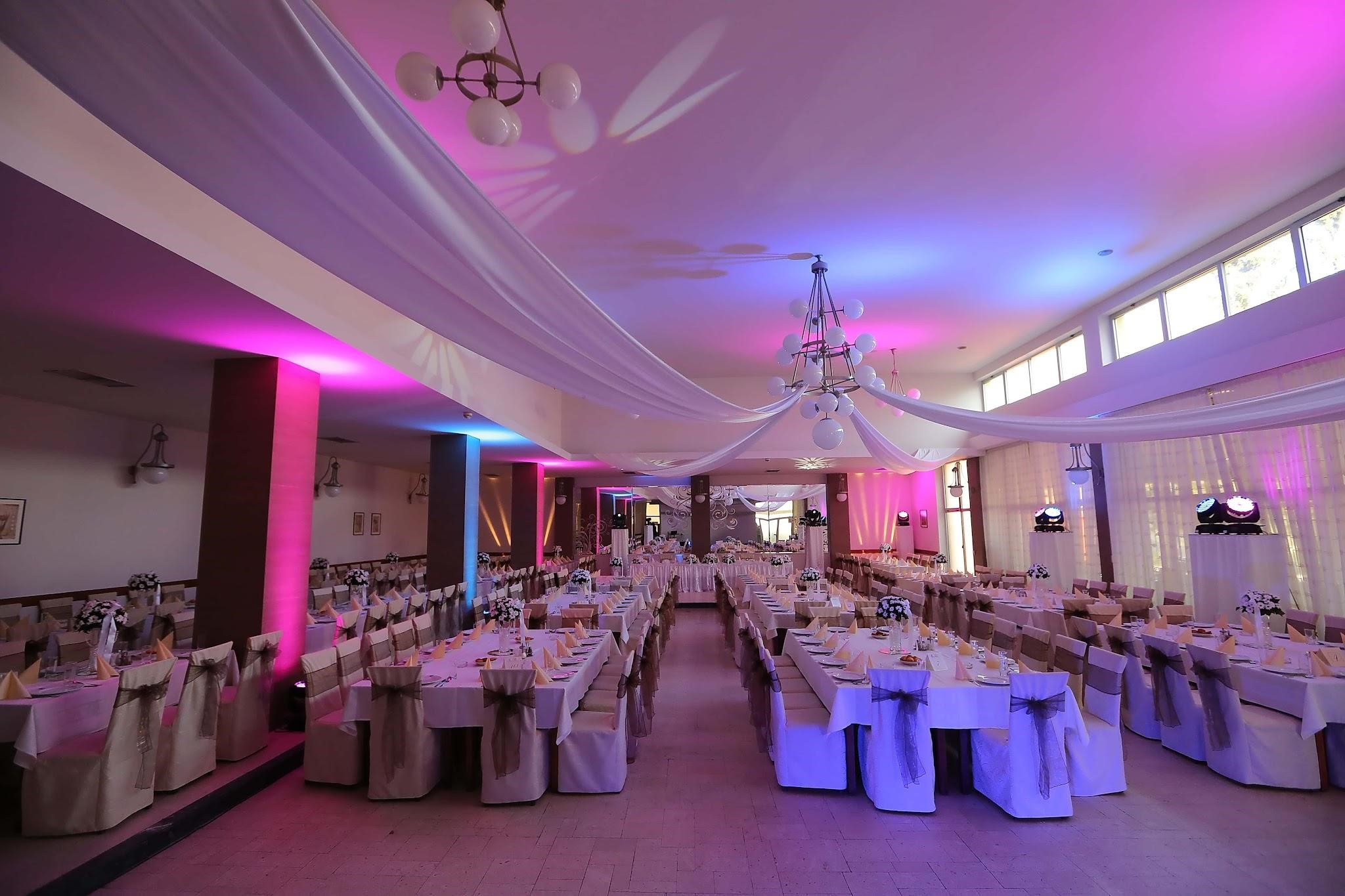
Exploring Unique Restaurant Venues: Finding the Perfect Setting for - Source husbandinfo.com
Question 2: What is Blackburn's architectural heritage like?
Blackburn boasts a diverse architectural landscape that reflects its historical evolution. The town center is characterized by Victorian buildings, including the imposing town hall and the ornate Blackburn Cathedral. Other notable landmarks include the Grade I-listed Samlesbury Hall, a Tudor manor house, and the neoclassical Hoghton Tower, perched on a hilltop overlooking the town.
Question 3: Is Blackburn an industrial town?
Historically, Blackburn was a major center for the cotton industry, earning it the nickname "the weaving capital of the world." While the textile industry has declined in recent decades, Blackburn retains a strong manufacturing base, particularly in aerospace and composite materials.
Question 4: What cultural attractions can be found in Blackburn?
Blackburn offers a range of cultural attractions, including the Blackburn Museum and Art Gallery, which houses a collection of local history exhibits and artworks. The town also has a vibrant live music scene, with venues hosting performances by both local and international artists.
Question 5: How is Blackburn connected to transportation?
Blackburn is well-connected by road and rail. The M65 motorway provides access to Manchester and the rest of the northwest, while the town's railway station offers direct services to major cities including London, Birmingham, and Edinburgh.
Question 6: What are some notable people from Blackburn?
Blackburn has been the birthplace or residence of several notable individuals, including the artist L.S. Lowry, the musician Billy Fury, and the footballer Alan Shearer. These individuals have contributed to the town's cultural and sporting heritage.
In conclusion, Blackburn is a town rich in history, culture, and industry. Its diverse architectural heritage, cultural attractions, and transportation links make it an attractive destination for visitors and residents alike.
Moving on to the next section, we will delve into the present-day landscape of Blackburn and its ongoing transformation into a modern and vibrant town.
Tips
Blackburn is a historic town in Lancashire with plenty to offer visitors. Here are some tips for getting the most out of your trip:
Tip 1: Start at Blackburn Cathedral
Blackburn Cathedral is the town's most iconic landmark. It's a beautiful building with a long and fascinating history. Take a tour to learn more about its architecture and see some of its stunning stained-glass windows.
Tip 2: Visit the Blackburn Museum
Learn about the history and culture of Blackburn at the Blackburn Museum. The museum has a wide range of exhibits, from local artifacts to works of art.
Tip 3: Visit the Lewis Textile Museum
Blackburn was once a major center of the textile industry. The Lewis Textile Museum tells the story of the industry and its impact on the town. You can see exhibits on everything from spinning and weaving to dyeing and finishing.
Tip 4: Take a walk along the River Blakewater
The River Blakewater runs through the heart of Blackburn. Take a walk along its banks and enjoy the scenery. You'll see a variety of wildlife, including ducks, geese, and swans.
Tip 5: Visit the Blackburn Market
The Blackburn Market is a great place to find fresh produce, meat, and fish. It's also a good place to pick up some souvenirs and local crafts.
Blackburn is a great town with plenty to see and do. Follow these tips to make the most of your trip.
Blackburn: Exploring The Historic Lancashire Town
Blackburn, a town steeped in history, offers a wealth of captivating aspects to explore, each contributing to its unique character. From its industrial legacy and architectural heritage to its vibrant culture and natural beauty, Blackburn presents a multifaceted tapestry for visitors to discover.
- Industrial Heritage: Cotton mills and chimneys bear witness to Blackburn's industrial past.
- Architectural Beauty: Victorian and Edwardian buildings adorn the town center, showcasing its architectural splendor.
- Cultural Tapestry: Theaters, museums, and art galleries host a vibrant cultural scene.
- Natural Wonders: The nearby Ribble Valley and Pendle Hill offer scenic escapes into nature.
- Shopping Delights: The Mall Blackburn and open-air markets provide diverse shopping experiences.
- Sporting Prowess: Blackburn Rovers, the town's football club, plays a central role in its sporting culture.
These aspects, interconnected and interwoven, paint a vivid portrait of Blackburn's past, present, and future. The town's industrial遗产 serves as a reminder of its economic significance, while its architectural elegance speaks to its cultural refinement. The cultural tapestry provides a platform for creativity and expression, and the natural wonders offer respite and recreation. The vibrant shopping scene caters to diverse tastes, and the sporting prowess of Blackburn Rovers reflects the town's passion and competitive spirit. Together, these aspects create a dynamic and engaging destination for exploration and discovery.

Blackburn - Mitzi Roach - Source aronmainia.blogspot.com

Titanic Wreck - Titanic Universe - Source titanicuniverse.com
Blackburn: Exploring The Historic Lancashire Town
The connection between "Blackburn: Exploring The Historic Lancashire Town" lies in its detailed exploration of the town's rich history, cultural heritage, and modern-day significance. This comprehensive guide provides an in-depth understanding of Blackburn's past and present, making it an invaluable resource for both residents and visitors alike.
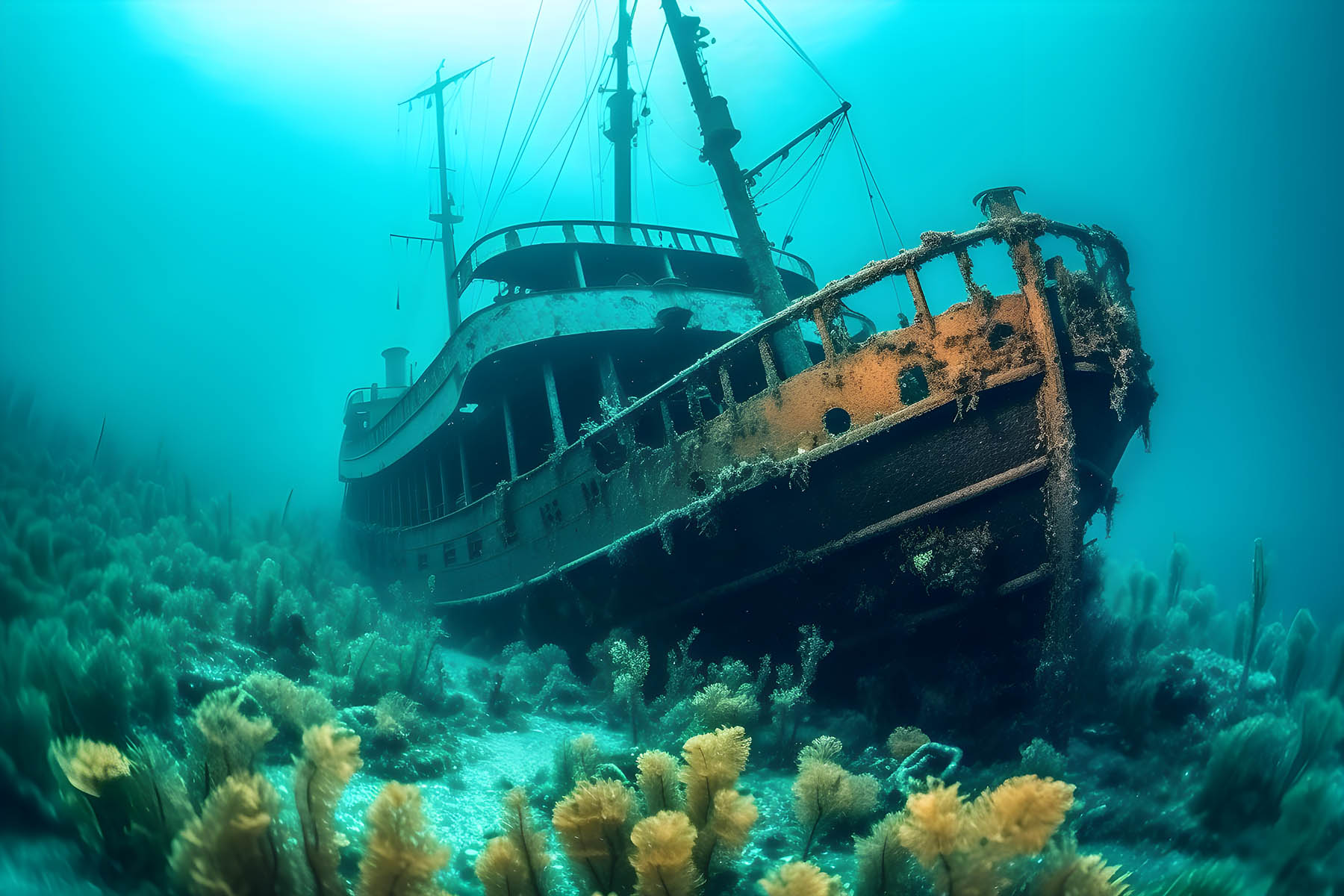
Exploring Historic Shipwrecks on the Outer Banks - Source lovetheobx.com
The importance of this topic as a component of "Blackburn: Exploring The Historic Lancashire Town" cannot be overstated. Blackburn's unique identity is shaped by its fascinating history, from its humble beginnings as a small market town to its rise as a major industrial center during the Victorian era. Understanding this history is essential for appreciating the town's present-day character and challenges.
The practical significance of this understanding lies in its ability to inform decision-making and foster a sense of community pride. By delving into Blackburn's past, residents and stakeholders can gain valuable insights into the town's strengths and weaknesses, enabling them to make informed choices about its future development. Additionally, understanding the town's history can foster a sense of belonging and pride among residents, strengthening the community's social fabric.
Blackburn's Historical Timeline
| Date | Event |
|---|---|
| 1086 | Blackburn is mentioned in the Domesday Book. |
| 1251 | Blackburn is granted a market charter. |
| 1590 | The first cotton mill is built in Blackburn. |
| 1800s | Blackburn becomes a major center for cotton spinning and weaving. |
| 1900s | Blackburn's cotton industry declines, and the town experiences economic hardship. |
| Present | Blackburn is a diverse and vibrant town with a rich history and culture. |
Conclusion
"Blackburn: Exploring The Historic Lancashire Town" provides a comprehensive and engaging exploration of Blackburn's rich history, cultural heritage, and contemporary character. By understanding the town's past, residents and visitors alike can gain a deeper appreciation for its present and contribute to its future development. This invaluable guide serves as a testament to Blackburn's enduring legacy and its ongoing significance as a vibrant and dynamic community.
As Blackburn continues to evolve, the lessons learned from its history will undoubtedly shape its future. By embracing its past and harnessing the power of community engagement, Blackburn can build a thriving and sustainable future that honors its heritage while embracing the opportunities of the 21st century.