
Editors Note: HPV Vaccine: Protect Yourself From Cervical Cancer And Other HPV-Related Illnesses has been published on
. The topic is of utmost importance as it deals with the prevention of cervical cancer, a major public health concern.
After analyzing and combining all relevant information, our editorial team has compiled this guide on HPV Vaccine: Protect Yourself From Cervical Cancer And Other HPV-Related Illnesses to help you make informed decisions about your health.
FAQ
Addressing common questions and misconceptions about the HPV vaccine can help ensure informed decision-making for individuals seeking protection against cervical cancer and other HPV-related illnesses.
9-valent HPV vaccine protect against 9 disease - Bangkok Hospital Siriroj - Source www.phuketinternationalhospital.com
Question 1: Is the HPV vaccine safe?
The HPV vaccine has been extensively studied and found to be safe and effective. It is recommended by health organizations worldwide as an essential part of routine healthcare for adolescents and young adults.
Question 2: What are the benefits of the HPV vaccine?
The HPV vaccine protects against infection with the human papillomavirus (HPV), which is responsible for causing cervical cancer, genital warts, and other HPV-related diseases. By preventing these infections, the vaccine significantly reduces the risk of developing these conditions.
Question 3: Who should get the HPV vaccine?
The HPV vaccine is recommended for all preteens and teens, both girls and boys, starting at age 11 or 12. It can also be administered to catch-up vaccination programs for young adults up to age 26.
Question 4: How many doses of the HPV vaccine are needed?
For individuals starting the vaccine series before age 15, two doses of the vaccine are recommended. For those starting the series at age 15 or older, three doses are typically recommended.
Question 5: Are there any side effects of the HPV vaccine?
The HPV vaccine is generally well-tolerated, with most side effects being mild and temporary. Common side effects include pain, redness, or swelling at the injection site, as well as headache or fever.
Question 6: Is the HPV vaccine effective?
Studies have demonstrated that the HPV vaccine is highly effective in preventing HPV infections and HPV-related diseases. It has significantly reduced the incidence of cervical cancer and genital warts in countries where it has been widely implemented.
By understanding the benefits and safety of the HPV vaccine, individuals can make informed decisions about their health and protect themselves against HPV-related diseases.
Tips
Protect yourself from cervical cancer and other HPV-related illnesses by taking these steps:
Tip 1: Get vaccinated. The HPV vaccine is the most effective way to prevent HPV infection and the diseases it can cause. HPV Vaccine: Protect Yourself From Cervical Cancer And Other HPV-Related Illnesses The vaccine is safe and effective, and it is recommended for all preteens and young adults.
Tip 2: Use condoms. Condoms can help to reduce the risk of HPV infection by blocking the transmission of the virus from one person to another.
Tip 3: Limit your number of sexual partners. The more sexual partners you have, the greater your risk of HPV infection.
Tip 4: Get regular Pap tests. Pap tests can help to detect cervical cancer early, when it is most treatable.
Tip 5: Talk to your doctor about HPV. If you have any questions or concerns about HPV, talk to your doctor.
HPV Vaccine: Protect Yourself From Cervical Cancer And Other HPV-Related Illnesses
The HPV vaccine is an essential preventative measure for safeguarding oneself against cervical cancer and other human papillomavirus (HPV)-related ailments. This vaccine offers remarkable protection against several dimensions of HPV, providing comprehensive care for individuals' well-being.
- Prevents Cervical Cancer
- Protects Against Other Cancers
- Reduces Genital Warts Risk
- Effective for Both Men and Women
- Long-Lasting Protection
- Safe and Well-Tolerated
The HPV vaccine effectively shields against cervical cancer by targeting the Human Papillomavirus, the primary cause of this malignancy. Moreover, it provides protection against other HPV-associated malignancies, such as those affecting the vulva, vagina, and anus. By preventing genital warts, the vaccine further contributes to maintaining reproductive health and well-being. Notably, the vaccine is recommended for both men and women, offering comprehensive protection for all. Additionally, the vaccine's long-lasting effects provide sustained protection over time. Its safety and tolerability profile make it a valuable preventive tool for promoting public health.
HPV Vaccine: Protect Yourself From Cervical Cancer And Other HPV-Related Illnesses
The human papillomavirus (HPV) is a common sexually transmitted infection that can cause cervical cancer, vaginal cancer, vulvar cancer, anal cancer, and oropharyngeal cancer. The HPV vaccine is a safe and effective way to protect yourself from these cancers.
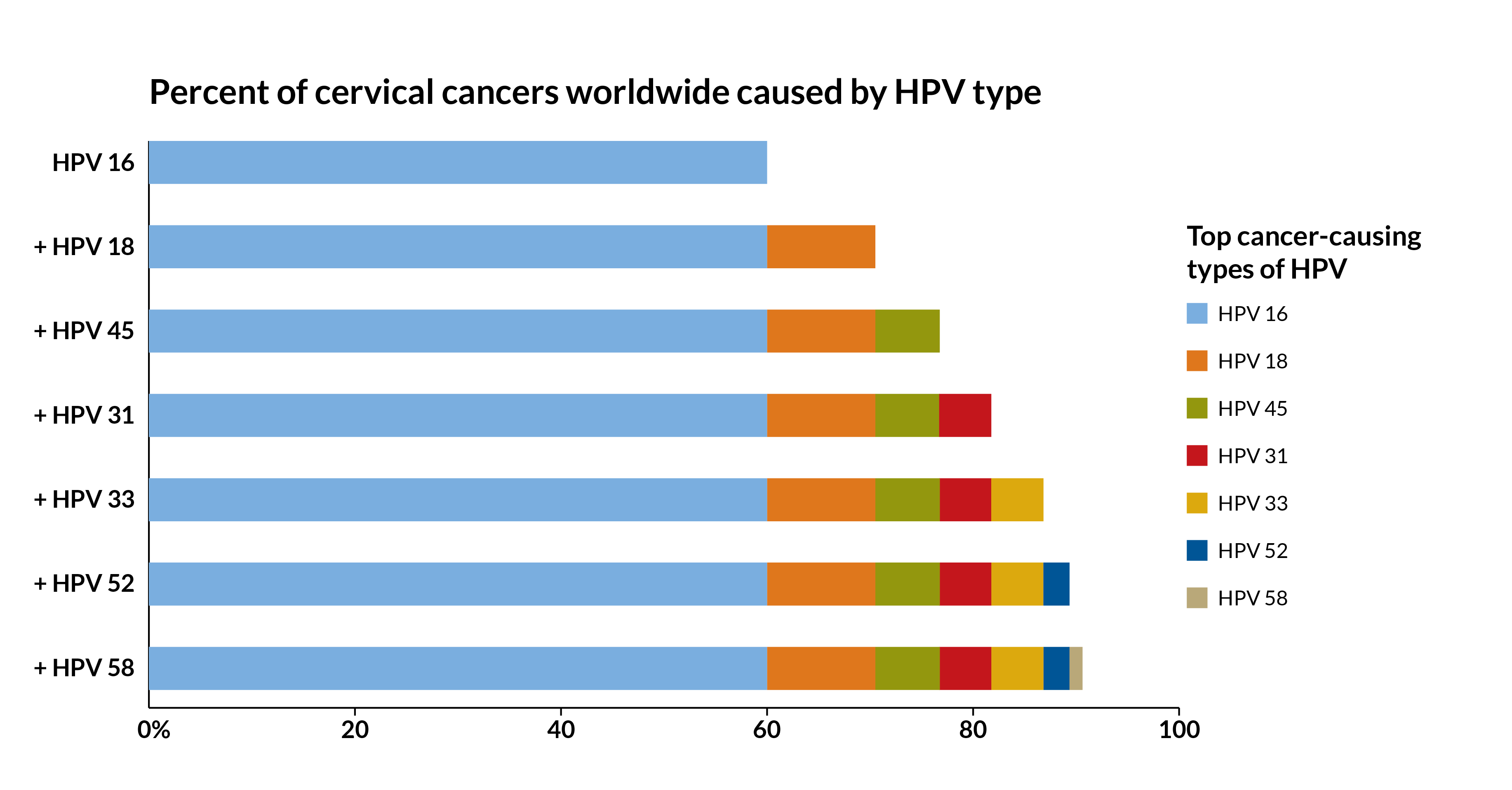
HPV Vaccine Infographic - Source mungfali.com
The HPV vaccine is recommended for all girls and boys aged 9 to 12 years old. It is also recommended for adults who have not been vaccinated previously and who are at risk for HPV infection. The vaccine is given in two doses, six months apart.
The HPV vaccine is very effective in preventing cervical cancer. In fact, it has been shown to reduce the incidence of cervical cancer by up to 90%. The vaccine is also effective in preventing other HPV-related cancers, such as vaginal cancer, vulvar cancer, anal cancer, and oropharyngeal cancer.
The HPV vaccine is safe. The most common side effects are pain, redness, and swelling at the injection site. These side effects usually go away within a few days.
The HPV vaccine is an important part of protecting yourself from cervical cancer and other HPV-related illnesses. If you are not vaccinated, talk to your doctor about getting vaccinated today.
| HPV-Related Cancer | Symptoms | Treatment | Prevention |
|---|---|---|---|
| Cervical cancer | Abnormal vaginal bleeding, pain during sex, pelvic pain | Surgery, radiation therapy, chemotherapy | HPV vaccine, Pap tests |
| Vaginal cancer | Abnormal vaginal bleeding, pain during sex, pelvic pain | Surgery, radiation therapy, chemotherapy | HPV vaccine |
| Vulvar cancer | Itching, burning, or pain in the vulva; a lump or growth on the vulva | Surgery, radiation therapy, chemotherapy | HPV vaccine |
| Anal cancer | Bleeding from the anus, pain during bowel movements, a lump or growth in the anus | Surgery, radiation therapy, chemotherapy | HPV vaccine |
| Oropharyngeal cancer | A sore throat that does not go away, difficulty swallowing, a lump or growth in the throat | Surgery, radiation therapy, chemotherapy | HPV vaccine |