
Belt and Road Initiative: A Global Connectivity Drive
Editor's Note: Belt and Road Initiative: Connecting the World Through Trade and Infrastructure has been published on 15 September 2023. This topic is important to read, as it provides insights into a major global infrastructure and trade initiative that has far-reaching implications for businesses, economies, and geopolitics.
To help you understand its significance, we've analyzed and compiled information from various sources to put together this comprehensive guide. Through this guide, we aim to provide you with a clear understanding of the Belt and Road Initiative and its potential impact on the world.
Key Takeaways
The Belt and Road Initiative is a massive infrastructure and trade project initiated by China in 2013. It aims to connect China with over 60 other countries in Asia, Europe, Africa, and Oceania, through investments in transportation, energy, and other infrastructure projects.
The initiative is expected to boost trade, investment, and economic growth in the participating countries. It also has geopolitical implications, as it could strengthen China's influence in the regions involved.
FAQs About Belt and Road Initiative
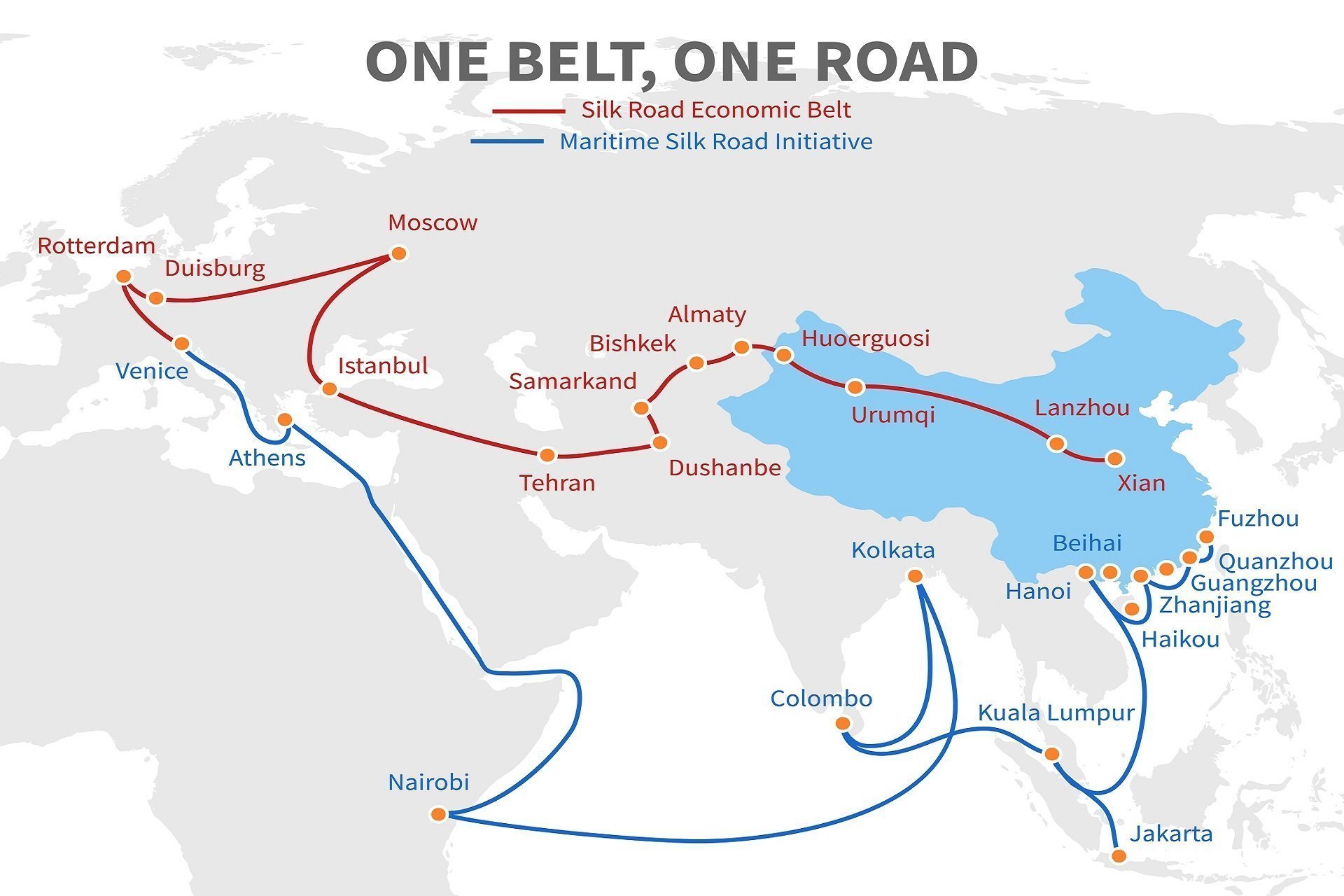
The Belt and Road Initiative (BRI) is a global development strategy adopted by the Chinese government in 2013. It seeks to connect the countries of Asia, Europe, and Africa through a vast network of trade and infrastructure projects. Since its launch, the BRI has become a major driver of economic growth and international cooperation worldwide.
Belt and Road Initiative (BRI) - Bunkerist Trading and Brokering - Source www.bunkerist.com
Question 1: What is the main goal of the Belt and Road Initiative?
The primary aim of the BRI is to promote economic integration and connectivity among countries in Asia, Europe, and Africa. By investing in infrastructure projects such as roads, railways, ports, and energy pipelines, the initiative aims to facilitate trade, reduce transportation costs, and boost economic growth in these regions.
Question 2: What are the benefits of the Belt and Road Initiative?
The BRI offers numerous benefits, including increased trade and investment, improved infrastructure, job creation, and cultural exchange. It also promotes regional stability and cooperation by fostering economic interdependence among participating countries.
Question 3: Are there any concerns about the Belt and Road Initiative?
Some concerns raised about the BRI include sustainability, environmental impact, and debt accumulation for participating countries. However, the Chinese government has emphasized its commitment to sustainable development and has taken steps to address these concerns through environmental impact assessments and responsible lending practices.
Question 4: How has the Belt and Road Initiative impacted global trade?
The BRI has had a significant impact on global trade, facilitating the movement of goods and services across borders. By reducing trade barriers and improving infrastructure, the initiative has boosted trade volumes and increased economic interconnectedness worldwide.
Question 5: What is the future of the Belt and Road Initiative?
The BRI is an ongoing initiative with long-term goals. The Chinese government is committed to promoting sustainable development and fostering cooperation among participating countries. As the initiative continues to evolve, it is likely to play an increasingly important role in shaping the global economic landscape.
Question 6: How can I learn more about the Belt and Road Initiative?
Numerous resources are available to learn more about the BRI, including official government websites, academic publications, and news articles. Engaging with experts in the field can also provide valuable insights.
Tips
To harness the full potential of the Belt And Road Initiative: Connecting The World Through Trade And Infrastructure, it is crucial to adopt strategic approaches that foster sustainable and inclusive growth.
Tip 1: Prioritize Infrastructure Development
Investing in robust infrastructure, including transportation, energy, and communication networks, is essential for fostering trade and economic growth. China's investment in the China-Pakistan Economic Corridor is a notable example of how infrastructure development can transform regional connectivity and boost trade flows.
Tip 2: Promote Trade Facilitation
Reducing trade barriers, streamlining customs procedures, and harmonizing regulations can significantly enhance trade flows. The Belt and Road Initiative's focus on creating a conducive environment for trade facilitation has played a significant role in promoting economic integration.
Tip 3: Foster Industrial Collaboration
Encouraging cooperation and knowledge exchange between industries in different countries can drive innovation and technological advancement. Joint ventures, research partnerships, and technology transfer are key elements of industrial collaboration.
Tip 4: Support Sustainable Development
Ensuring that Belt and Road Initiative projects are environmentally sustainable and socially responsible is paramount for long-term success. This involves minimizing environmental impact, promoting energy efficiency, and respecting local communities' rights.
Tip 5: Engage Local Stakeholders
Involving local governments, communities, and businesses in the planning and implementation of projects can ensure that the initiative aligns with their needs and aspirations. This participatory approach fosters ownership and sustainability.
Summary of key takeaways or benefits:
By implementing these tips, countries can maximize the benefits of the Belt and Road Initiative and foster inclusive and sustainable economic growth.
Transition to the article's conclusion:
The Belt and Road Initiative offers a transformative opportunity to connect the world through trade and infrastructure. By embracing strategic approaches and prioritizing sustainable development, countries can reap the full benefits of this ambitious initiative.
Belt And Road Initiative: Connecting The World Through Trade And Infrastructure
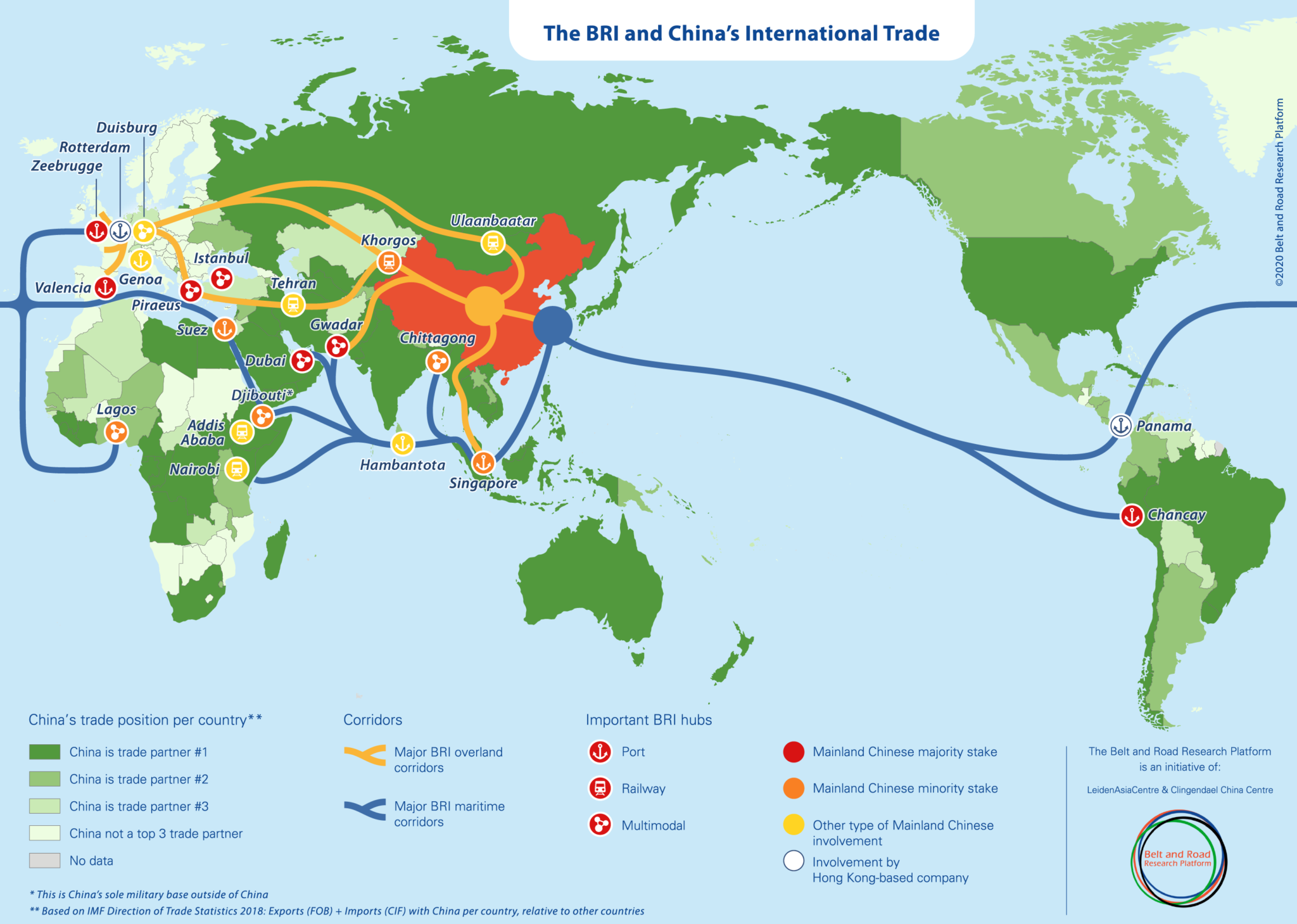
A transformative initiative fostering economic cooperation, infrastructure development, and cultural exchange, the Belt and Road Initiative (BRI) encompasses six key aspects:
These aspects interconnect to create a comprehensive framework for cooperation. For example, infrastructure projects under BRI promote connectivity, which in turn facilitates trade and investment. Cultural exchange initiatives nurture mutual understanding, fostering cooperation in other areas. BRI's focus on sustainable development ensures that economic growth is balanced with environmental preservation and social well-being. This multi-dimensional approach enables the BRI to contribute to global prosperity and a more connected world.
China Belt And Road Initiative Map 2024 - Kaia Annnora - Source dariceqbenedicta.pages.dev
Belt And Road Initiative: Connecting The World Through Trade And Infrastructure
The Belt and Road Initiative (BRI), proposed by China in 2013, is an ambitious plan to boost trade and infrastructure connectivity between China and other countries in Asia, Europe, and Africa. The initiative is based on the idea of "one belt, one road," which refers to the ancient Silk Road trade routes that connected China with the West. The BRI aims to create a modern-day version of these trade routes, with the goal of promoting economic growth and fostering closer cooperation between countries.
Are China’s pledges to green its Belt and Road Initiative the real deal - Source ensia.com
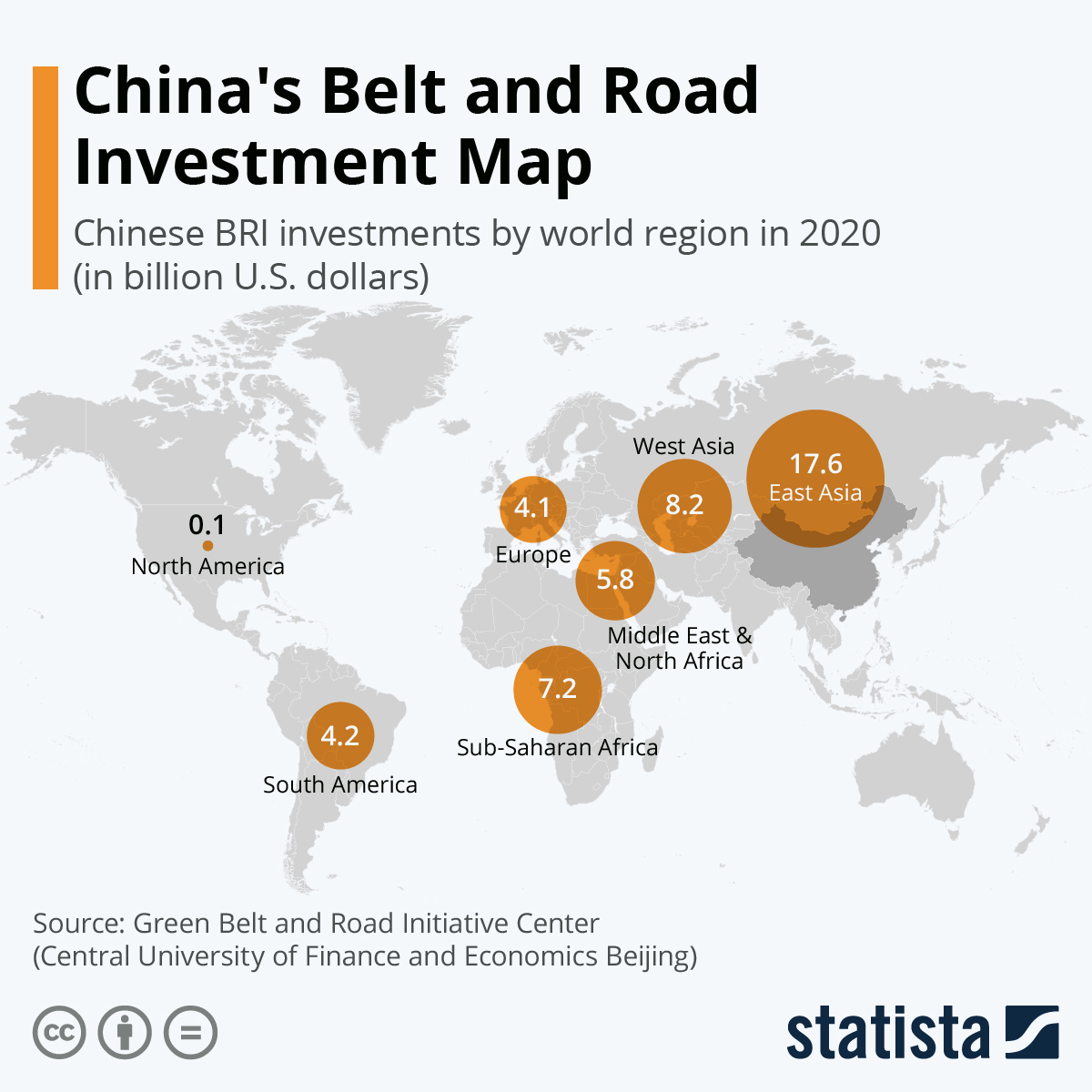
The BRI has four main components: trade, infrastructure, financial cooperation, and cultural exchange. Trade is a key part of the BRI, as the initiative aims to increase trade volumes between China and other countries. Infrastructure development is also a major focus of the BRI, as the initiative aims to improve transportation and energy networks in participating countries. Financial cooperation is another important component of the BRI, as the initiative aims to provide financial support for infrastructure projects and other economic development initiatives. Cultural exchange is also a key part of the BRI, as the initiative aims to promote cultural understanding and cooperation between China and other countries.
The BRI has been praised by some for its potential to promote economic growth and development. However, the initiative has also been criticized by some for its potential to lead to increased debt and environmental damage. Despite these criticisms, the BRI remains a major priority for China, and the Chinese government has pledged to continue investing in the initiative in the years to come.
The BRI is a complex and ambitious initiative with the potential to have a major impact on the global economy. It is still too early to say what the long-term effects of the BRI will be, but the initiative is sure to be a major topic of discussion in the years to come.
Conclusion
The BRI is a major initiative with the potential to have a significant impact on the global economy. It is still too early to say what the long-term effects of the BRI will be, but the initiative is sure to be a major topic of discussion in the years to come.
The BRI is based on the idea of "one belt, one road," which refers to the ancient Silk Road trade routes that connected China with the West. The BRI aims to create a modern-day version of these trade routes, with the goal of promoting economic growth and fostering closer cooperation between countries.